
Forensic Engineering Expert Witness for Storm Damage in Orlando, FL
Forensic Engineering Expert Witness for Storm Damage in Orlando, FL
When a storm or catastrophic damage is disputed, the case often depends on clear engineering findings. Forensic Engineering Expert Witness services in Orlando, FL, help attorneys, insurers, and property owners evaluate damage to HVAC systems, mechanical equipment, building envelopes, and structural elements with documentation that supports both claims and litigation.
At Forensic Engineering Experts, we handle inspection, analysis, signed-and-sealed reporting, and expert testimony from the early stages of a case through deposition, mediation, arbitration, and trial. Our Orlando-based firm is led by John Thomazin (MSME, PE, DFE, ACTAR) and Shane Niemann (PE), with more than 40 years of combined mechanical and building systems experience.
Call 407-603-7045 or submit a claim online.
How Forensic Engineering Supports Storm Damage Claims
Forensic engineering for storm damage claims applies engineering analysis to determine the cause and extent of property damage after severe weather events. The key question is whether the damage resulted from the storm or existed beforehand.
When claims are disputed, coverage decisions rely on documented engineering findings. Photographs show damage, but a forensic investigation explains why it occurred, confirms whether the storm caused it, and produces defensible conclusions that hold up under cross-examination.
A comprehensive forensic analysis by Forensic Engineering Experts evaluates the entire building system, not just structural elements. HVAC, plumbing, drainage, electrical, and fire protection systems often sustain damage that a structural-only review can miss. A mechanical-focused investigation identifies system failures and interactions that affect overall loss assessment.
The final report is signed and sealed by a licensed professional engineer and documents the methodology, observations, and conclusions in a format suitable for attorneys, adjusters, and courts. When required, the same engineer provides expert testimony during deposition or trial.
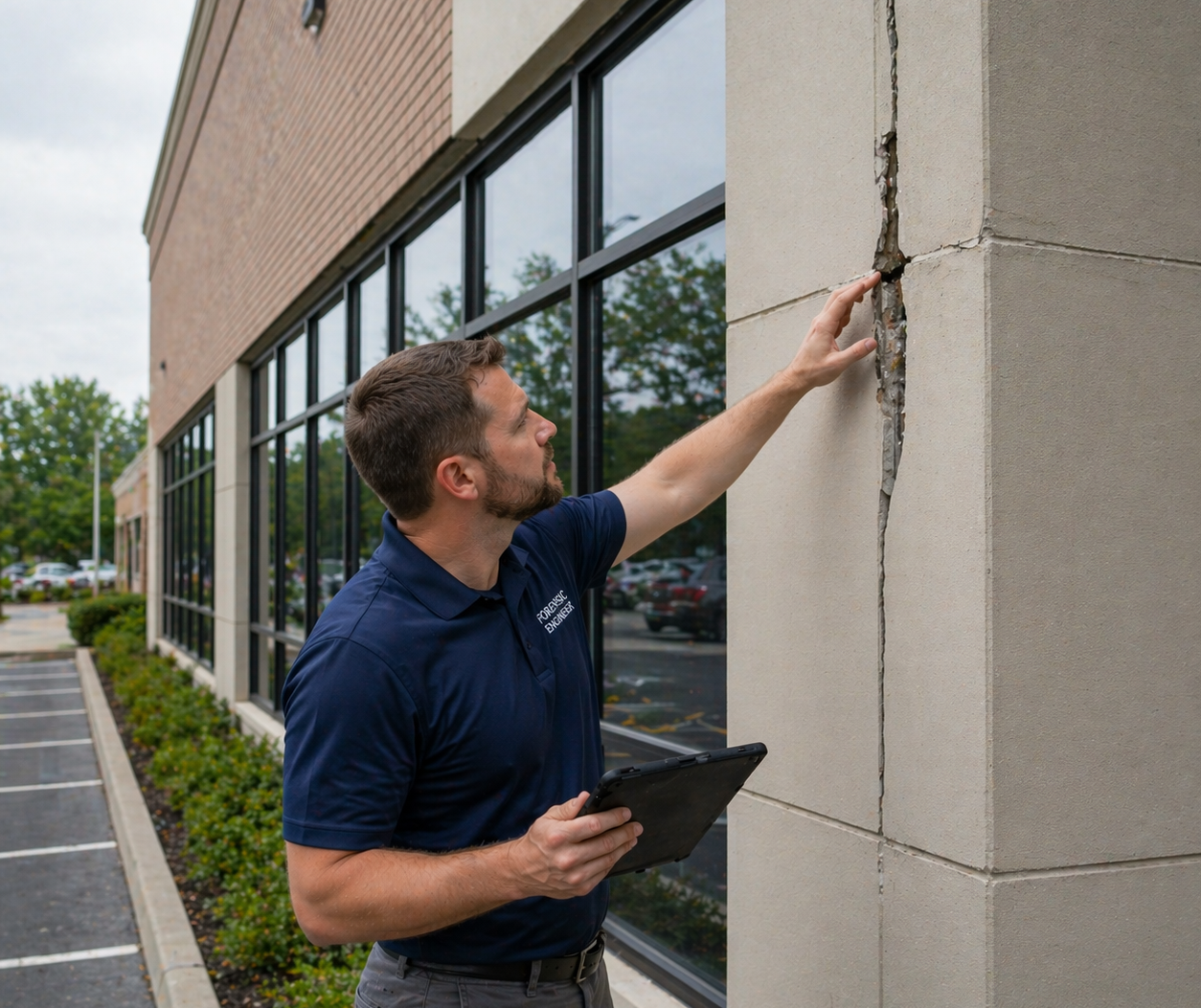
Storms and Catastrophic Events We Investigate
Hurricanes and Tropical Storms
Tornadoes and Severe Wind Events
Hail, Flood, and Water Intrusion Events
Sinkholes and Catastrophic Ground Events
Fire, Explosion, and Lightning Events
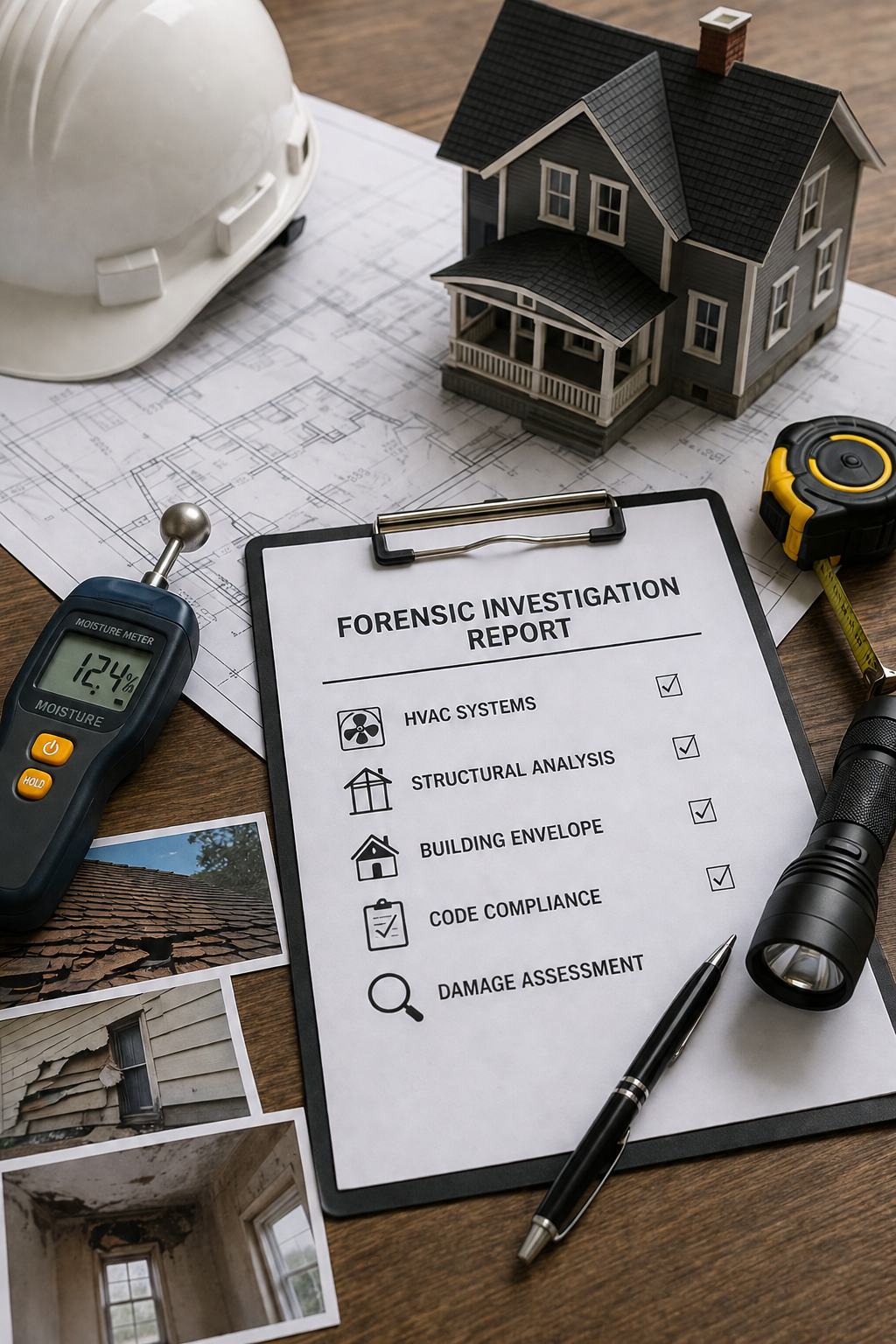
What Our Forensic Analysis Covers
Mechanical and HVAC Systems
Structural and Building Envelope
Structural analysis evaluates load-bearing elements, roof deck and truss assemblies, roof-to-wall connections, and foundation performance. Whereas a building envelope analysis covers exterior wall cladding, fenestration, roofing membranes, flashing, sealant systems, and waterproofing. We separate storm-caused failure from pre-existing deterioration, deferred maintenance, and construction defects.
A Florida Building Code compliance evaluation determines whether the structure complied with the wind-resistance requirements in effect at the time of construction. That finding directly shapes how both sides frame coverage decisions and define the repair scope.
Electrical, Plumbing, and Fire Protection Systems
Electrical distribution systems, grounding, panel boards, and service equipment exhibit damage patterns during storm events that are distinct from structural failures. We document failure sequences to inform cause-and-origin determinations.
Plumbing and drainage failures following flood events, sinkhole activity, and ground movement require engineering analysis that traces damage from the source through the system. The performance of the fire suppression system after a storm event falls within the scope of our investigation. We evaluate suppression systems and document performance failures that affect coverage and repair decisions.
Site Conditions and Post-Storm Documentation
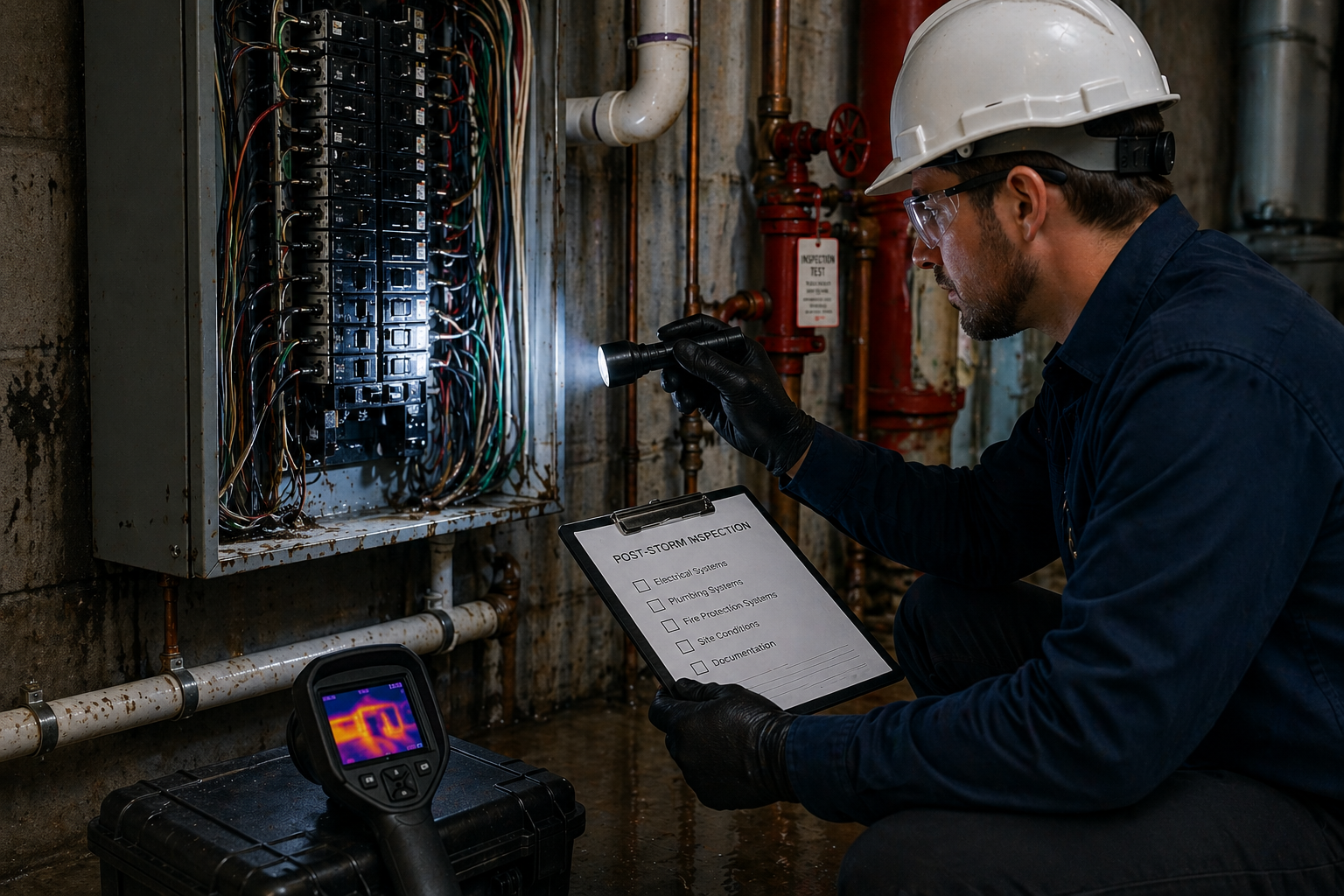
Who Relies on Storm Forensic Engineering Services
Insurance Carriers and Claims Professionals
Plaintiff and Defense Attorneys
Attorneys involved in storm damage disputes enlist forensic engineers early on to assess cases, develop technical strategies, prepare expert reports, and provide testimony. Retention from both plaintiff and defense counsel is standard.
In contested claims, credibility depends on neutrality. An expert with a one-sided retention history is easier to challenge. A balanced record of plaintiff and defense work strengthens the reliability of the engineering opinion and limits biased arguments.
The same engineer conducts the inspection, prepares the report, and provides testimony in depositions, mediations, arbitrations, and trials. Work is not delegated across multiple staff, ensuring consistency from analysis through testimony.
Property Owners and Risk Managers
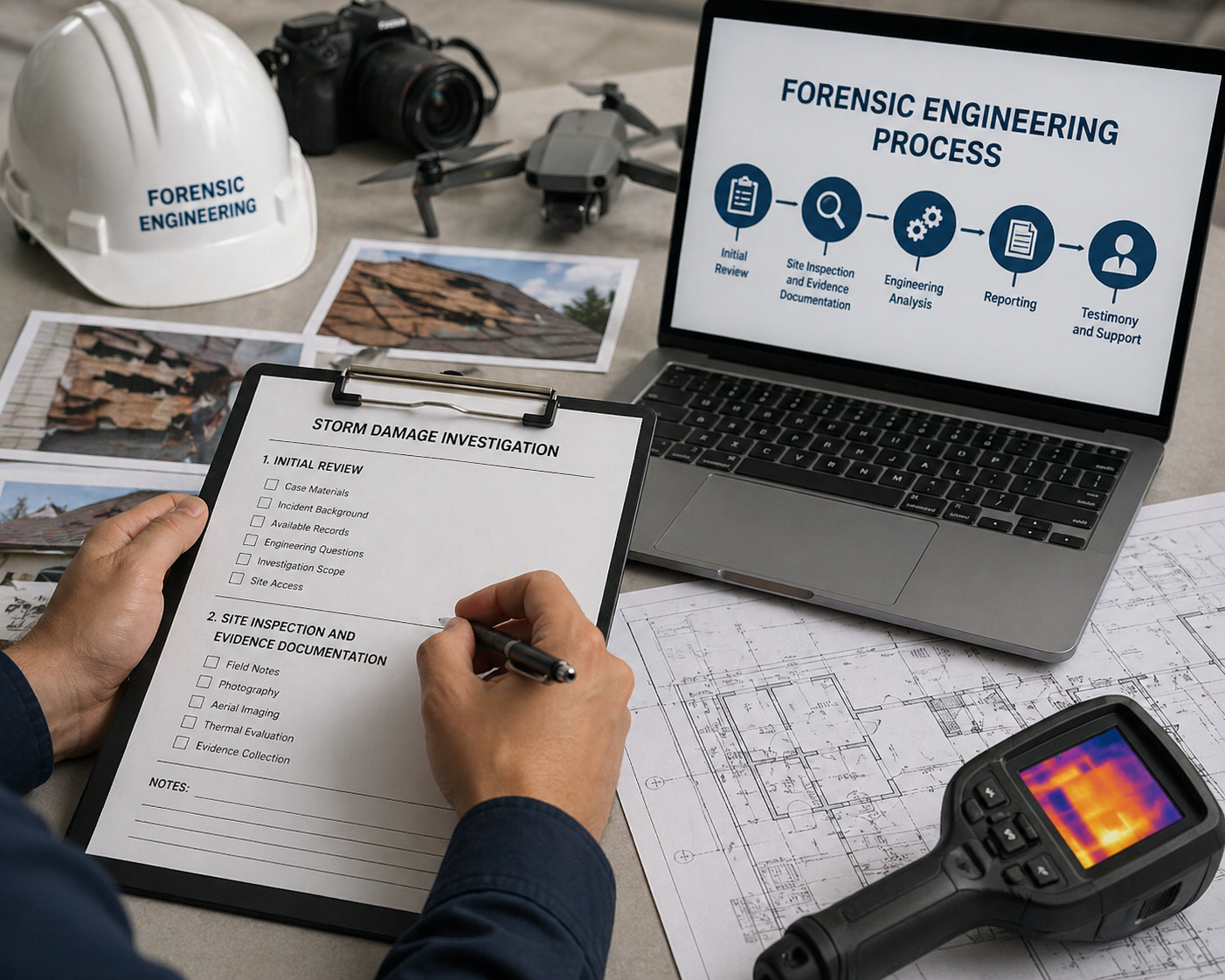
Forensic Engineering Process for Storm Damage Claims
1. Initial Review
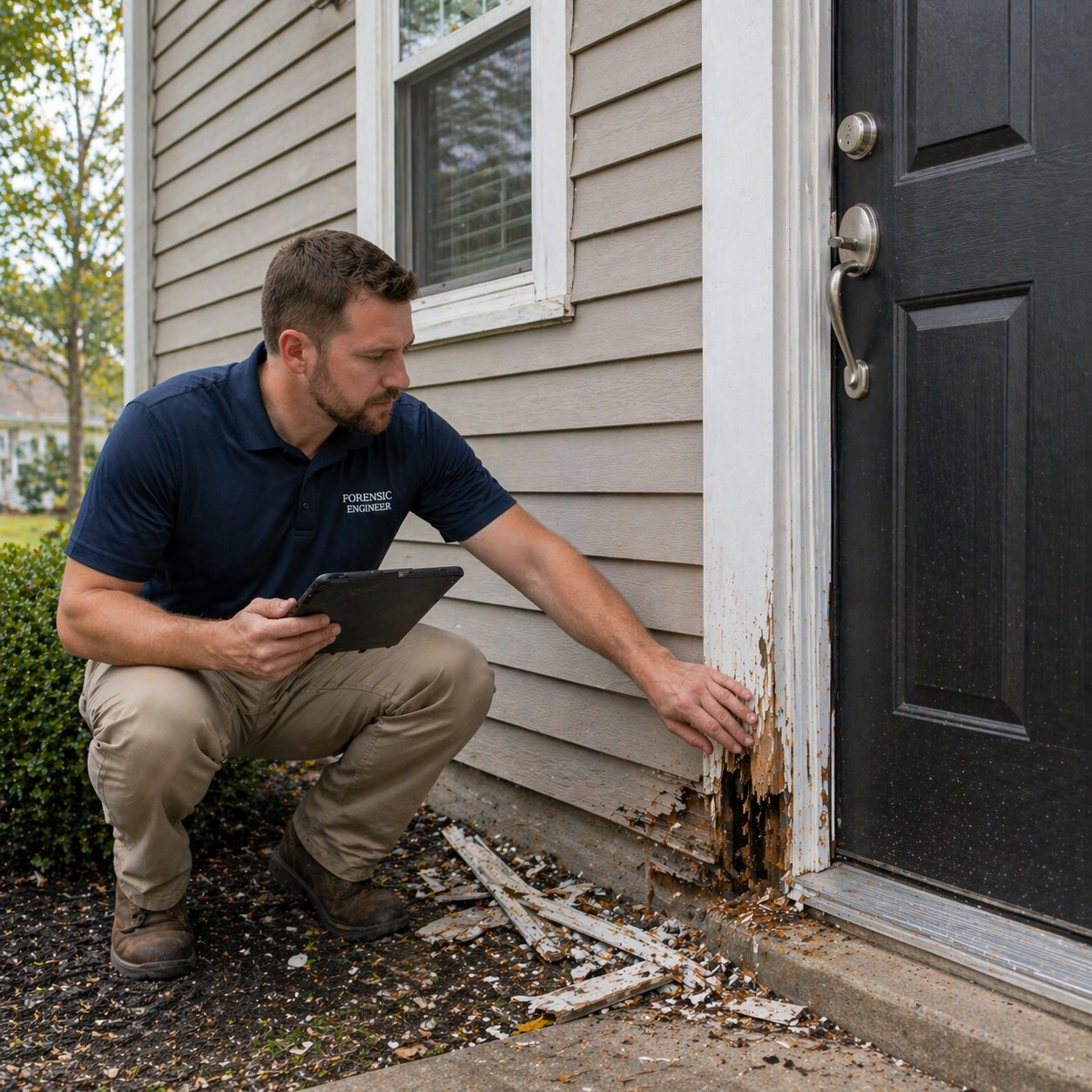
2. Site Inspection and Evidence Documentation
3. Engineering Analysis
4. Written Report
5. Testimony
Preserving Evidence After a Storm or Catastrophic Event
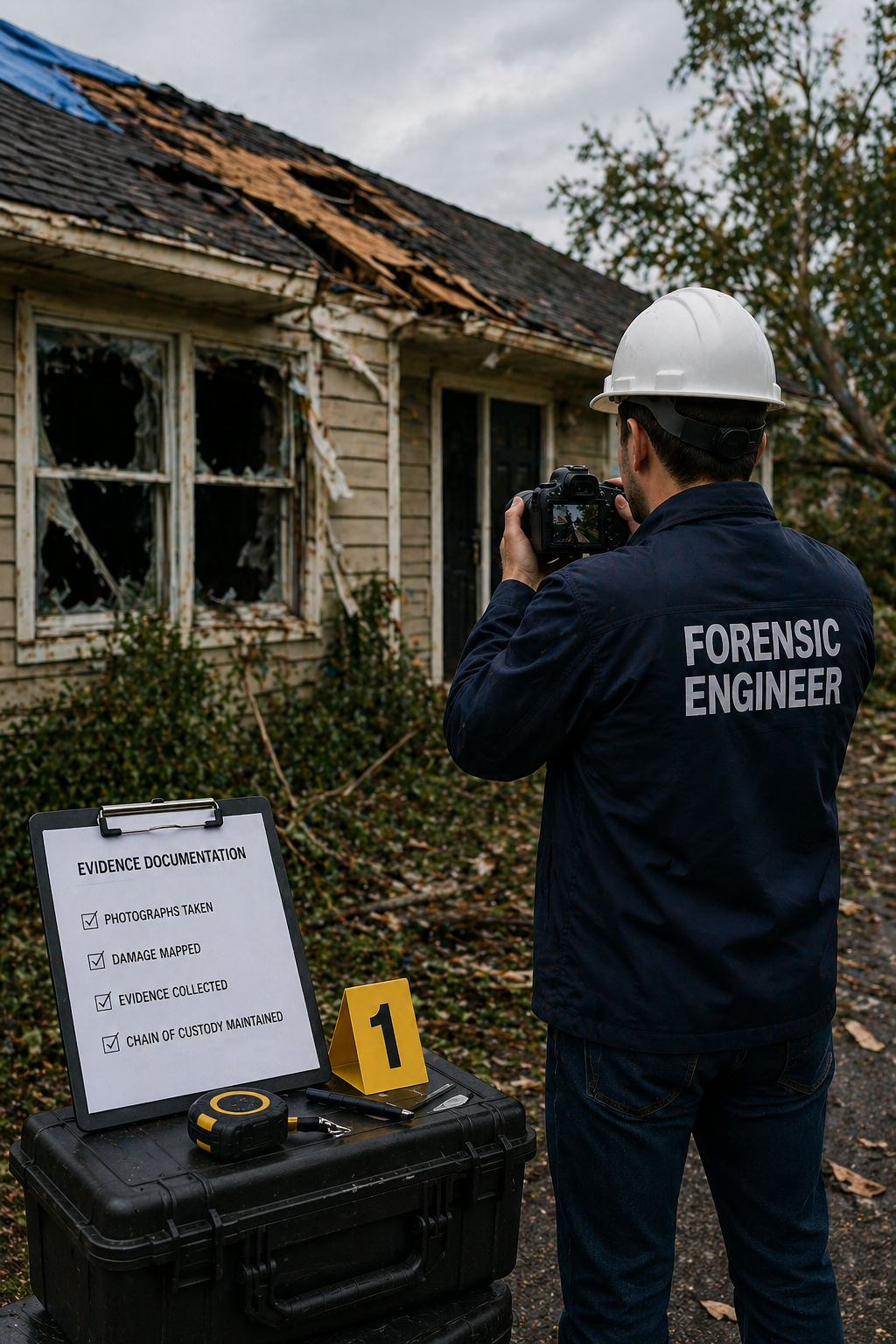
How to preserve the site before inspection:
Do not begin permanent repairs, cleaning, or disposal until an inspection plan is in place
Photograph all damage and equipment before anything is moved
Keep damaged components, hardware, and fragments in their original condition
Store materials in a secure location to prevent loss or alteration
Document who handled the evidence and maintain a clear chain of custody
In potential litigation, involve counsel before starting any remediation
Meet the Experts
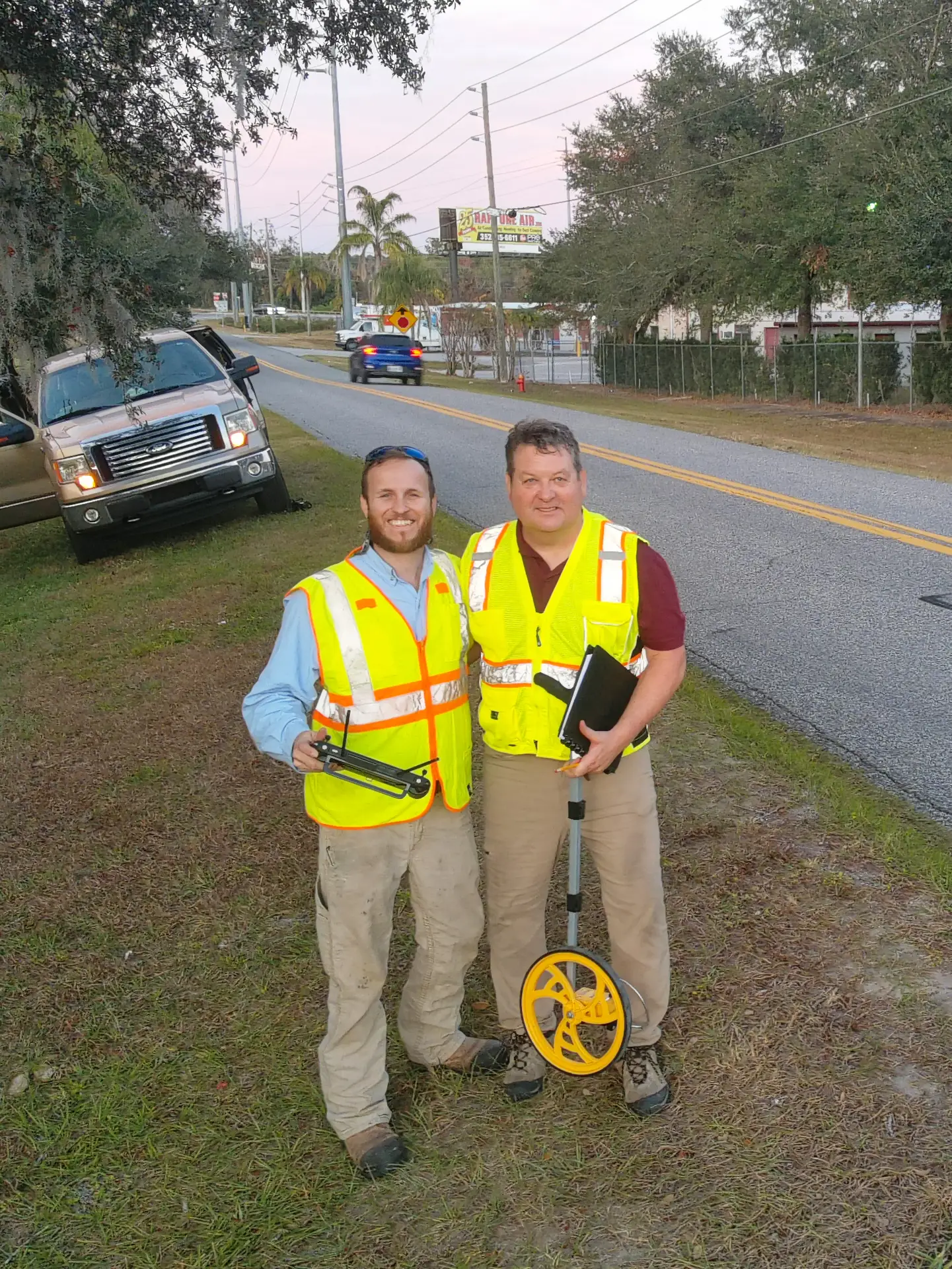
John Thomazin, MSME, PE, DFE, ACTAR
Mechanical Engineer
Master of Science in Mechanical Engineering (MSME)
Licensed Professional Engineer (PE)
DFE designation
Conducts equipment failure inspections, evidence review, and engineering opinions for claim and litigation support when requested
Shane W. Niemann, PE
Mechanical Engineer
Licensed Professional Engineer (PE)
Field inspection and documentation for failed equipment and assemblies
Conducts mechanical systems evaluation and root cause analysis when performance or safety is questioned
Supports documentation and report preparation for Orlando equipment assignments

Why Choose Forensic Engineering Experts for Storm and Catastrophic Event Investigations
Experience and Scope
Forensic Engineering Experts brings more than 40 years of combined engineering experience across mechanical and building systems, equipment failures, and complex insurance and litigation assignments. Our work spans automotive and transportation incidents, industrial and commercial equipment failures, building system defects, storm and environmental damage, and premises investigations.
We serve clients from our Orlando, Florida, office and travel across the United States for site inspections, evidence examinations, depositions, and trial testimony.
Documentation and Investigation Tools
Direct Senior Engineer Access
FAQs About Storm and Catastrophic Event Forensic Engineering
What does a forensic engineer do after a storm or catastrophic event?
How does a forensic engineer determine whether damage is storm-related or pre-existing?
What types of storms and catastrophic events require forensic engineering analysis?
Any event involving disputed coverage, liability, or repair scope may require forensic engineering analysis. In Central Florida, common events include:
- Hurricanes
- Tornadoes
- Hail events
- Flooding and water intrusion
- Sinkholes
- Lightning strikes
- Fires
Cases involving HVAC damage, mechanical system failures, or building system interactions alongside structural damage benefit most from a mechanical engineering forensic investigation.
What does a forensic engineering report include?
A forensic engineering report documents the investigation methodology, site observations, evidence reviewed, engineering analysis performed, and the engineer’s opinions. A licensed PE signs and seals the report. We include photographs, drawings, and supporting data when they can help clarify findings.
Do your engineers provide expert witness testimony in Florida courts?
What is the difference between a forensic engineer and a standard storm damage inspector?
How do I get started with a forensic engineering investigation for storm damage?
To get started, submit a claim online or call 407-603-7045 directly. Provide basic information about the incident location, the parties involved, and any available records. We will review the materials, outline the proposed scope of work, and confirm the engagement.
Testimonials from Our Clients
Clients turn to us when they need clear, focused engineering work on difficult matters. The feedback below reflects the level of detail, professionalism, and communication they experience on their cases.
Rhonda Roberts
John did an excellent job for us on our case. We were able to make a very advantageous settlement because of his efforts. He was very knowledgeable and professional. In addition to being an excellent engineer, he made a very good witness. We would use John again should the occasion arise and would recommend him to others.
Tim Wieker
I was very impressed with the report we were given. The facts of the loss were not that easy to find good literature, and he gave a very detailed report with good explanation and charts to back things up.
J. Tolman
The expertise and thoroughness of the report was extraordinary.
Michelle B.
Thank you so much for your professional efforts and extraordinary report.
Matias C.
Thanks for all of your work and the detailed analysis you provided.