
Accident Reconstruction Services
Accident Reconstruction Services
Forensic Engineering Experts provides accident reconstruction services to help attorneys and insurance professionals understand how an accident occurred. Our licensed professional engineers examine the physical evidence to determine what happened and identify the factors that may have contributed to the incident. Based in Orlando, Florida, we handle investigations nationwide, including vehicle collisions, pedestrian accidents, and incidents involving heavy equipment or industrial machinery.
Our findings are supported by engineering analysis and presented in a way that’s clear and useful to the people handling the case. When needed, our engineers can also provide expert witness testimony during depositions or at trial.
Submit an assignment or call (407) 603-7045 to discuss your matter.
What Our Accident Reconstruction Services Cover
Passenger Vehicle Collisions
Commercial Vehicle Accident Reconstruction
Motorcycle, Bicycle, and Pedestrian Incidents
Construction Equipment and Work-Vehicle Incidents
Industrial Machinery and Heavy Equipment

How an Accident Reconstruction Investigation Works
The first thing we need to understand is what’s in question. It could be a disagreement over how a collision happened or whether something went wrong with a vehicle or piece of equipment. We review the evidence already available before deciding if an inspection is needed.
When we examine the scene or equipment, we’re looking for physical evidence that can help establish what happened. That evidence becomes the basis of our engineering analysis, rather than relying solely on the accounts of those involved.
Once the investigation is complete, we can prepare a written report explaining our findings. If the case goes to deposition or trial, our engineers can also provide expert witness testimony and answer questions about their conclusions.
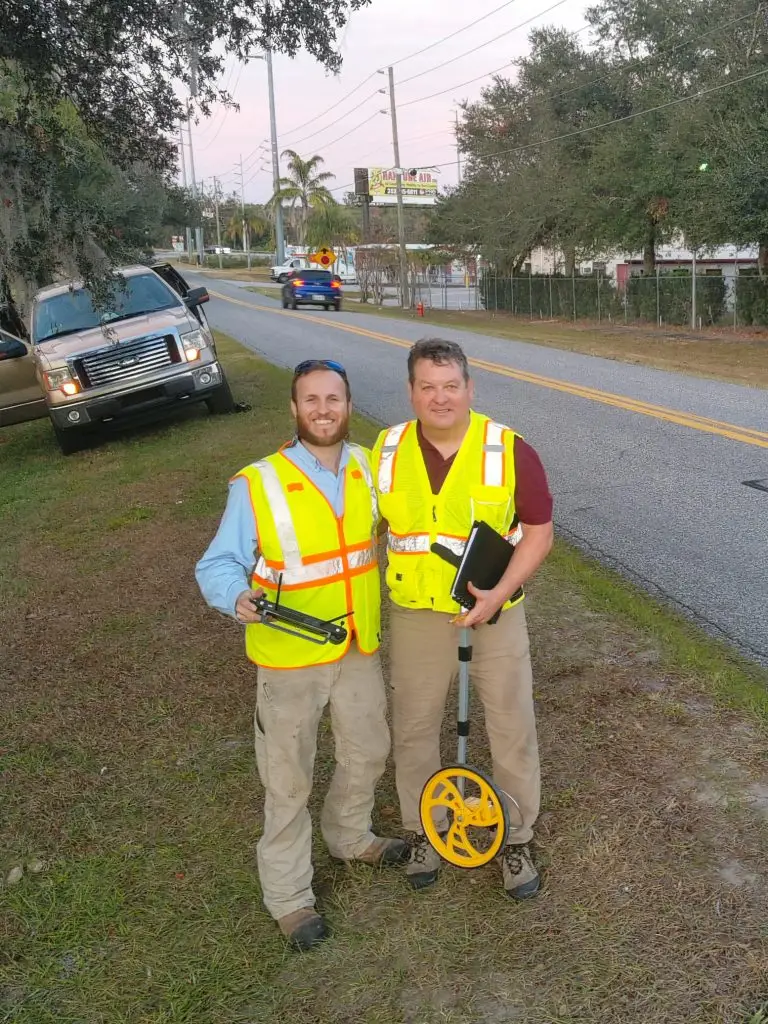
Meet the Experts
John Thomazin
MSME, PE, DFE
Mechanical Engineer
Shane W. Niemann
PE
Mechanical Engineer
Methods and Tools We Use
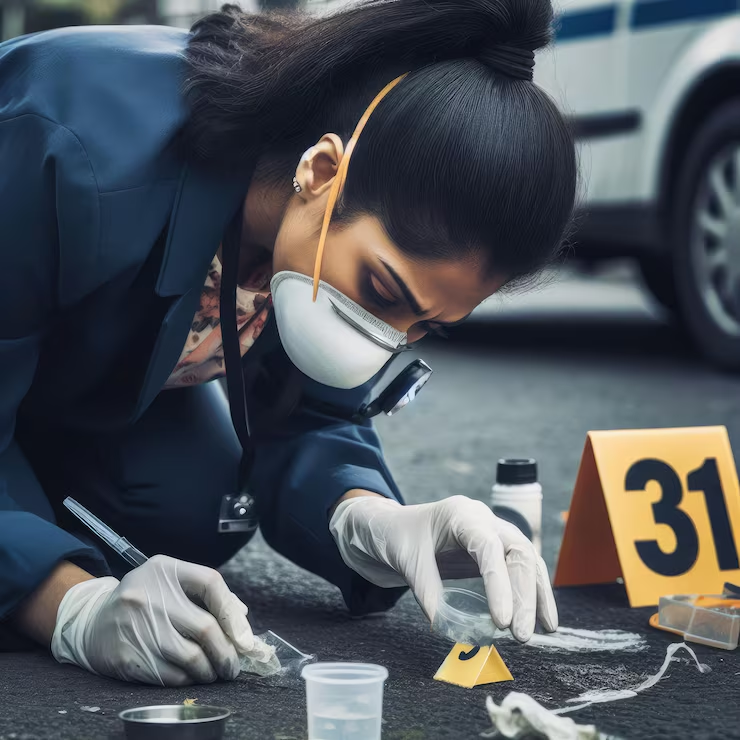
Measured documentation anchors our forensic engineering accident reconstruction. We use four methods to record conditions and test how an event could have unfolded:
LiDAR: laser scanning that records a scene, vehicle, or piece of equipment as 3D measurements.
Photogrammetry: measurements taken from photographs to document scene conditions and the physical relationships between objects.
CAD: scaled drawings of the scene, vehicle or equipment positions, and measured distances.
Simulations: models that test whether a proposed sequence of events is physically compatible with the evidence.
Who Hires Our Accident Reconstruction Experts
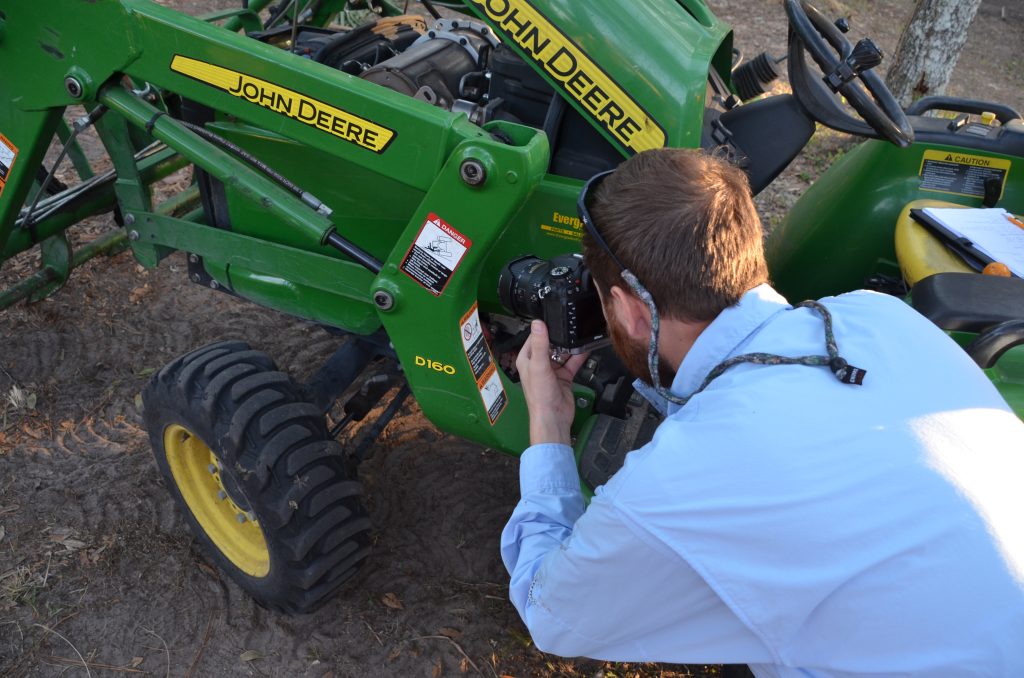
You retain accident reconstruction services when a claim or lawsuit depends on how an incident happened and the answer has to rest on engineering analysis.
Attorneys: Whether you represent the plaintiff or the defense, you retain us to evaluate the engineering facts of a crash or equipment incident.
Insurers and adjusters: You receive a documented engineering basis for decisions on a loss.
Claims professionals: We write our findings so claims teams without engineering backgrounds can follow how we reached each conclusion and apply it to the claim file.
Why Choose Forensic Engineering Experts
Licensed Professional Engineers With Reconstruction and Product Experience
Engineering Principles and Accepted Standards
Certified, Multidisciplinary Engineering Team

Accident Reconstruction FAQs
When Should You Hire an Accident Reconstruction Engineer?
How Much Do Accident Reconstruction Services Cost?
How Long Does an Accident Reconstruction Investigation Take?
What Does an Accident Reconstruction Investigation Involve?
Do Your Accident Reconstruction Experts Provide Expert Witness Testimony?
What Information Do You Need to Start an Accident Reconstruction Assignment?
Where Do You Provide Accident Reconstruction Services?
Start an Accident Reconstruction Assignment
Submit your assignment through our intake form, or call (407) 603-7045 to speak with our team.
Testimonials from Our Clients
Clients turn to us when they need clear, focused engineering work on difficult matters. The feedback below reflects the level of detail, professionalism, and communication they experience on their cases.
Rhonda Roberts
John did an excellent job for us on our case. We were able to make a very advantageous settlement because of his efforts. He was very knowledgeable and professional. In addition to being an excellent engineer, he made a very good witness. We would use John again should the occasion arise and would recommend him to others.
Tim Wieker
I was very impressed with the report we were given. The facts of the loss were not that easy to find good literature, and he gave a very detailed report with good explanation and charts to back things up.
J. Tolman
The expertise and thoroughness of the report was extraordinary.
Michelle B.
Thank you so much for your professional efforts and extraordinary report.
Matias C.
Thanks for all of your work and the detailed analysis you provided.