
Manufacturing & Industrial Machinery Forensic Engineering
Manufacturing & Industrial Machinery Forensic Engineering
Forensic Engineering Experts provides manufacturing forensic engineering for claims and litigation involving production machinery, plant equipment, and industrial systems. We perform machinery and equipment failure analysis and determine root cause in manufacturing settings. Our industrial incident investigations include injury matters involving guarding or equipment condition. We also provide expert witness support for attorneys, insurers, and manufacturers. For industrial forensic engineering, our engineers work from physical evidence, operating records, and engineering analysis. We serve clients nationwide from Orlando, Florida.
Call (407) 603-7045 or submit an assignment to start a manufacturing or industrial machinery matter.
Manufacturing Matters We Investigate
Production Machinery
Material Handling and Conveyors
Rotating Equipment and Power Transmission
Hydraulic and Pneumatic Systems
Machinery Safety, Guarding and Workplace Incidents
Equipment Failure and Defect Investigations
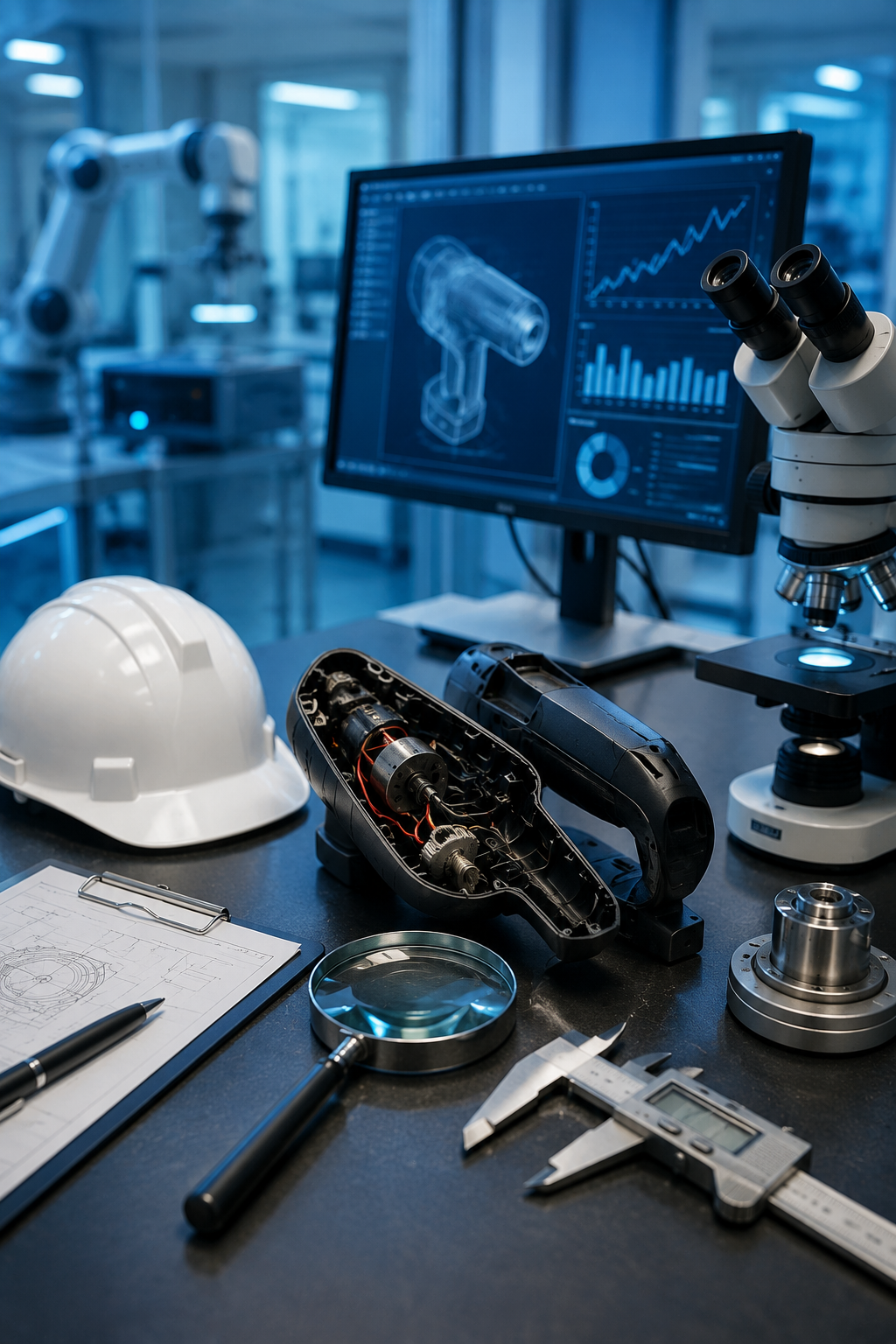
Some manufacturing cases turn on whether the equipment itself failed or was defective. In these matters, we examine the plant equipment itself, using our
mechanical failure analysis
practice, to determine whether it failed or was defective. A quick repair and restart does not establish why the equipment failed.
Component and System Failure
Product Defect and Liability Matters
Meet the Experts
John Thomazin
MSME, PE, DFE
Mechanical Engineer
Shane W. Niemann
PE
Mechanical Engineer

How a Manufacturing Investigation Works
Our investigations follow five phases, applied to each plant matter as follows.
Initial Review. We review the failure or incident, the equipment involved, and the available operating records to define the scope of the assignment.
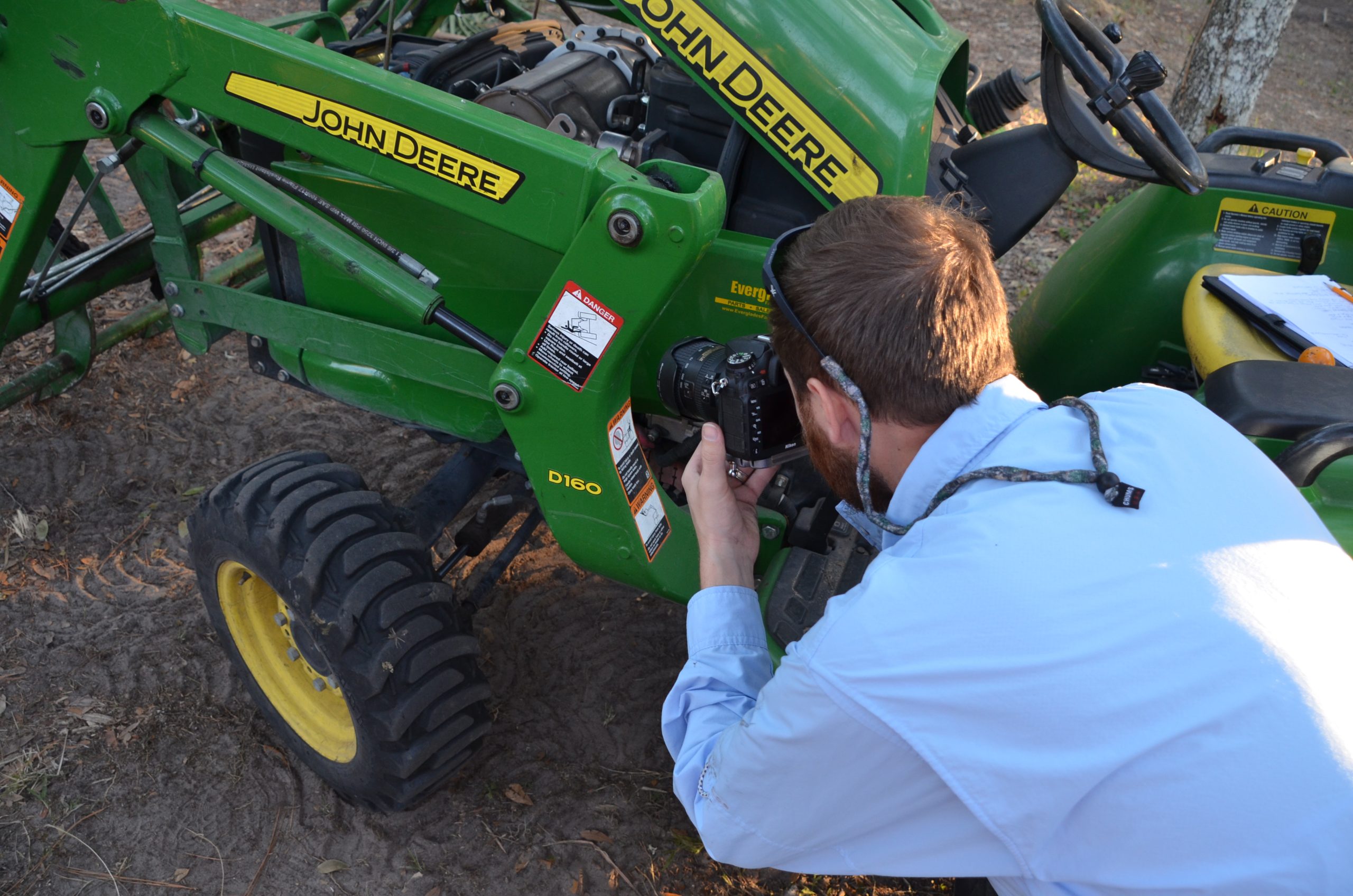
Initial Inspection. We examine the equipment and document it in its as-found condition. Our engineers record identifying details and retain failed components, which preserves fracture and wear surfaces.
Analysis. We evaluate the physical evidence against the operating records and apply root cause methods to determine what failed and why. Our engineers weigh maintenance and training records alongside the equipment itself, because records alone cannot establish the cause. Materials or laboratory testing is performed only where the case requires it, and its scope is defined for each assignment.
Written Report. A written report follows when the client requests one, setting out the findings and the basis for them.
Testimony. When a matter proceeds, our engineers present the findings as expert witnesses.

When a Manufacturing Matter Needs a Forensic Engineer
We work as an industrial accident forensic engineer when the engineering facts of a plant matter are unsettled or contested. The conditions that most often call for our involvement are:
- The cause of a failure or incident is unknown or disputed.
- An operator-error explanation has been offered, but the equipment, guarding, or records have not been examined.
- Guarding or lockout/tagout compliance is part of the claim.
- Injuries are serious or fatal.
- Subrogation is possible, and the responsible party must be identified from the evidence.
- Claimed damage or production loss does not match the physical evidence.
- The opposing party has already engaged an engineer.
Whatever explanation has been offered for an incident, we treat the cause as open until we have examined the equipment, the guarding, and the records. Failure analysis also applies to losses of any size, not only catastrophic ones.
Call (407) 603-7045 or submit an assignment to have our engineers review a manufacturing matter.
Who Hires Our Manufacturing and Industrial Engineers
Attorneys. We supply plaintiff and defense attorneys with the engineering facts of a machinery failure, an injury incident, or a defect allegation. Our engineers carry that work through deposition and trial as part of our expert witness services.
Insurers and adjusters. We give insurers, adjusters, and claims professionals a documented engineering basis for coverage, liability, and subrogation decisions, including whether the damage and loss fit the physical evidence.
Manufacturers and risk managers. We provide manufacturers and risk managers with an engineering opinion on a failed product or production asset, its cause, and the standards that apply, drawn from the same review used in claims and litigation.
Why Choose Forensic Engineering Experts
Licensed Professional Engineers With Mechanical and Failure Analysis Experience
Certified, Multidisciplinary Engineering Team
Demonstrative Evidence and Visual Aids

Frequently Asked Questions
What does a manufacturing forensic engineer do?
When should a forensic engineer be brought in on a machinery failure or plant incident?
What types of machinery and equipment do you investigate?
Can a machine still be examined after it has been repaired or a failed part has been replaced?
Do you work for both plaintiffs and defendants?
How do your engineers present their findings?
Start a Manufacturing or Industrial Machinery Assignment
Forensic Engineering Experts provides manufacturing forensic engineering to attorneys, insurers, and manufacturers nationwide from our Orlando, Florida base. Call (407) 603-7045 or submit your assignment to begin.
Testimonials from Our Clients
Clients turn to us when they need clear, focused engineering work on difficult matters. The feedback below reflects the level of detail, professionalism, and communication they experience on their cases.
Rhonda Roberts
John did an excellent job for us on our case. We were able to make a very advantageous settlement because of his efforts. He was very knowledgeable and professional. In addition to being an excellent engineer, he made a very good witness. We would use John again should the occasion arise and would recommend him to others.
Tim Wieker
I was very impressed with the report we were given. The facts of the loss were not that easy to find good literature, and he gave a very detailed report with good explanation and charts to back things up.
J. Tolman
The expertise and thoroughness of the report was extraordinary.
Michelle B.
Thank you so much for your professional efforts and extraordinary report.
Matias C.
Thanks for all of your work and the detailed analysis you provided.