
Product Safety Consulting & Engineering Risk Assessment
Product Safety Consulting and Engineering Risk Assessment
What Our Product Safety Consulting Services Cover
Product Design Safety Evaluations
Our engineers review product designs to identify hazards, check expected use, and compare the design against the safety standards for its category. Manufacturers use this review before production when design changes are still easier to make. Attorneys and insurers use it when a design is questioned in a claim or lawsuit.
The review can include design drawings, specifications, warnings, instructions, and product performance under expected use. The final opinion explains the risks found, the standards reviewed, and the corrections or next steps supported by the engineering evidence.
Engineering Risk Assessments and FMEA
When we perform an engineering risk assessments we are looking to identify how a product can fail, what may happen if it does, and which risks need correction. A detailed failure review is needed to help organize possible failure points and their effects.
This work supports pre-market design reviews, product updates, claim evaluations, and post-incident investigations. Our engineers review the product, available records, reported failure, and applicable standards, then provide findings that explain what the evidence shows.
Regulatory Compliance Review
Product Liability Support
At Forensic Engineering Experts we provide engineering support for product liability claims involving alleged design defects, manufacturing issues, warnings, instructions, and product failures. Our engineers review the product, incident details, records, standards, and available physical evidence to determine what contributed to the event.
Our assessments helps attorneys, insurers, and risk managers understand causation, evaluate the strength of a claim, prepare for settlement discussions, and support expert witness testimony when needed.
Who We Work With
Who We Work With
Many manufacturers use product safety reviews before production, during product updates, or after incidents and complaints. Our expert engineers identify hazards, evaluate failure modes, compare the design against applicable standards, and explain what changes may be needed. The same review can support design decisions, internal risk management, product corrections, and documentation for future claims or disputes.
Attorneys and Legal Teams
Plaintiff and defense attorneys use our engineering review to understand the technical issues behind product liability claims, construction defect disputes, machinery injuries, and equipment failures. Our engineers review the product, incident facts, records, warnings, instructions, and applicable standards to form an opinion on causation and contributing factors.
When a case moves into deposition, mediation, arbitration, or trial, our engineers can provide expert witness testimony based on the same review and analysis.
Insurers, Adjusters, and Risk Managers
Insurers, adjusters, and risk managers use our engineering opinions to evaluate product-related claims. Our engineers review the product, reported failure, physical evidence, maintenance records, and applicable standards to determine what caused the loss and what the evidence supports.
Our work can support coverage review, claim evaluation, damage assessment, subrogation decisions, and litigation strategy.
Products and Industries We Evaluate
Consumer Products, Appliances, and Tools
Industrial and Commercial Equipment
Manufacturing equipment, material handling systems, conveyors, press brakes, and other industrial machinery can be evaluated after safety concerns, failures, injuries, or property damage claims. Our engineers review equipment design, operating conditions, guarding, maintenance records, and applicable OSHA or ASME requirements.
our expert engineer’s opinions can address how the equipment failed, whether the condition matched the reported event, and whether design, maintenance, operation, or guarding contributed to the loss.
HVAC and Mechanical Systems
Agricultural and Heavy Equipment
Tractors, harvesters, front-end loaders, telehandlers, and other agricultural or off-road equipment can be evaluated after accidents, product failures, or design concerns. Our engineers review equipment design, guarding, controls, operator interaction, maintenance history, and the standards that applied to the machine.
The review can identify failure points, missing or inadequate safeguards, warning issues, and conditions that contributed to the incident. This work supports equipment manufacturers, farm accident investigations, insurers, and legal teams.
Recreational and Specialty Equipment
Recreational vehicles, ATVs, watercraft, playground equipment, and other specialty products can be reviewed after injury claims, product failures, or design safety concerns. Our engineers review product design, warnings, instructions, expected use, reported failure, and standards that apply to the product category.
This work helps manufacturers, insurers, retailers, and legal teams understand what happened, what risks were present, and what the engineering evidence supports.
How Our Product Safety Review Works
Initial Review
Our engineers review case materials, product details, design records, incident information, or claim documents to understand the engineering question. This step identifies what records, product access, testing, or site information may be needed before the full review begins.
Document and Design Review
Available drawings, specifications, manuals, warnings, maintenance records, inspection reports, incident documents, and prior engineering opinions are reviewed in detail. For design reviews, the product is compared against the standards that apply to its category, with attention to hazards, missing safeguards, warning issues, and design conditions that may need correction.
Engineering Analysis
The analysis looks at product design, failure mode, physical evidence, reported conditions, and applicable standards. Depending on the matter, this may include product inspection, equipment examination, FMEA, standards review, or analysis of how the product performed during the reported event.
Written Engineering Opinion
A written opinion is prepared when formal findings are needed. Our reports will explain the materials reviewed, standards applied, methods used, hazards identified, failure causes, and engineering conclusions. It can support design decisions, claim review, settlement discussions, or litigation.
Expert Witness Testimony
When a matter moves into deposition, mediation, arbitration, or trial, our engineers can provide testimony based on the completed review. The testimony explains the engineering methods, observations, and conclusions in a way attorneys, adjusters, judges, and juries can follow.
Meet the Experts
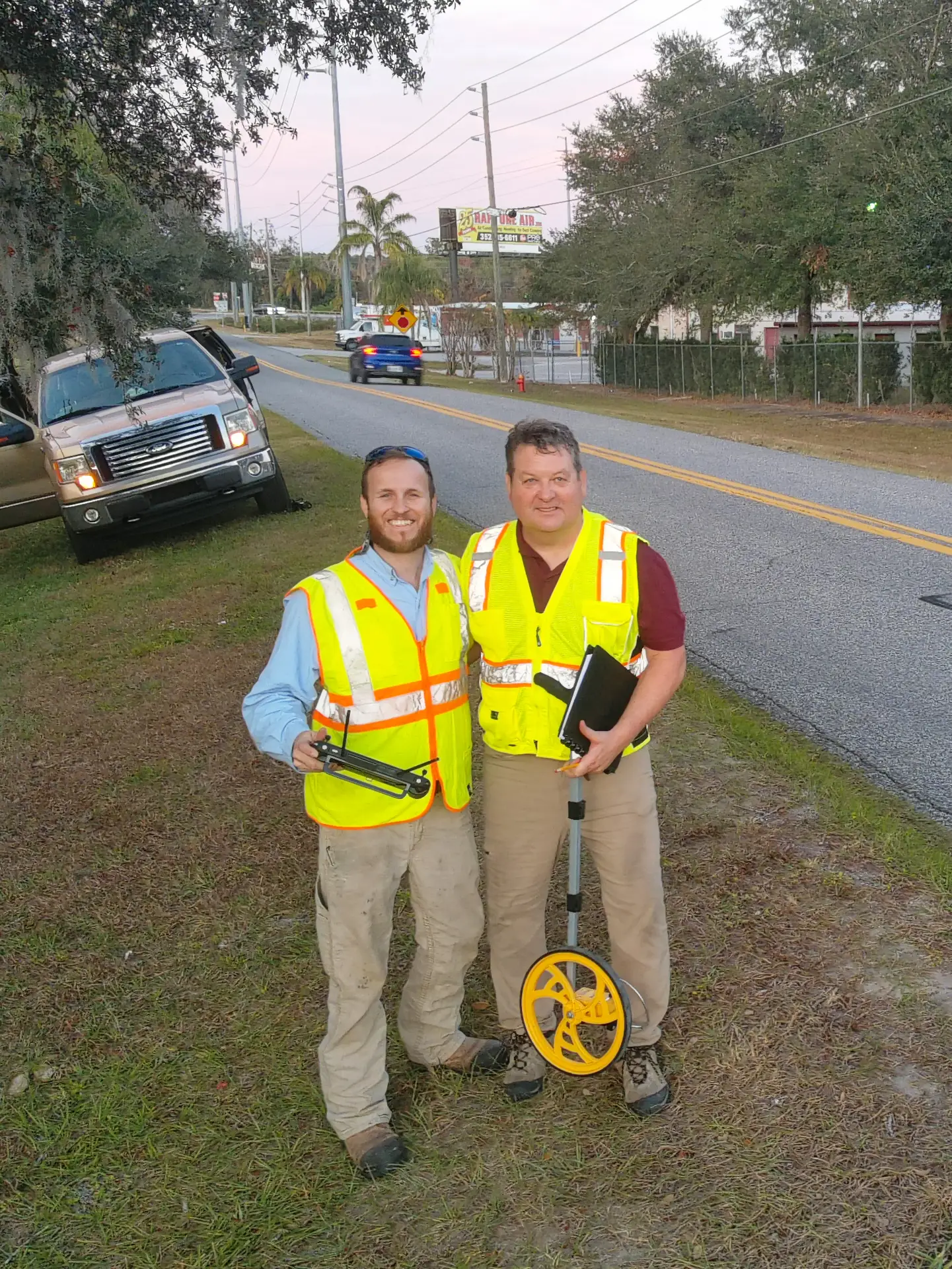
John Thomazin, MSME, PE, DFE, ACTAR
Mechanical Engineer
Master of Science in Mechanical Engineering (MSME)
Licensed Professional Engineer (PE)
DFE designation
Conducts equipment failure inspections, evidence review, and engineering opinions for claim and litigation support when requested
Shane W. Niemann, PE
Mechanical Engineer
Licensed Professional Engineer (PE)
Field inspection and documentation for failed equipment and assemblies
Conducts mechanical systems evaluation and root cause analysis when performance or safety is questioned
Supports documentation and report preparation for Orlando equipment assignments
Why Choose Forensic Engineering Experts for Product Safety Consulting
PE-Licensed Engineers Handle the Review
Product safety reviews are handled by PE-licensed engineers with experience in design safety, product failure, mechanical systems, and forensic investigation. Clients work directly with the engineers reviewing the evidence and preparing the opinion.
Forensic Experience Behind the Safety Review
Our engineers have investigated mechanical failures, equipment incidents, and product liability claims. That background helps identify the design choices, warnings, operating conditions, and failure points that may matter in a claim or design review.
Support Before and After an Incident
Manufacturers use these reviews before product release, during updates, or after safety concerns arise. Attorneys, insurers, and risk managers use them after an incident when the product, evidence, and applicable standards need engineering review.
Independent Engineering Opinions
Forensic Engineering Experts works with plaintiff attorneys, defense attorneys, insurers, manufacturers, and risk managers. Each opinion is based on engineering evidence, product records, applicable standards, and physical facts.
Clear Reports for Claims, Design Decisions, and Litigation
When building our reports we clearly explain what was reviewed, which standards were considered, what hazards or failures were found, and which conclusions are supported, giving our clients an engineering opinion they can use for the next decision.
Frequently Asked Questions
What does a product safety consultant do?
What is a product design safety evaluation?
What is FMEA and when is it used?
How is advisory work different from a forensic investigation?
Who uses engineering advisory services?
Can the engineer who reviews the product also serve as an expert witness?
What safety standards may apply to consumer products?
How early should a product safety review happen?
A safety review is most useful before production begins, while design changes can still be made. Existing products can also be reviewed after complaints, failures, injuries, or claims.
Testimonials from Our Clients
Clients turn to us when they need clear, focused engineering work on difficult matters. The feedback below reflects the level of detail, professionalism, and communication they experience on their cases.
Rhonda Roberts
John did an excellent job for us on our case. We were able to make a very advantageous settlement because of his efforts. He was very knowledgeable and professional. In addition to being an excellent engineer, he made a very good witness. We would use John again should the occasion arise and would recommend him to others.
Tim Wieker
I was very impressed with the report we were given. The facts of the loss were not that easy to find good literature, and he gave a very detailed report with good explanation and charts to back things up.
J. Tolman
The expertise and thoroughness of the report was extraordinary.
Michelle B.
Thank you so much for your professional efforts and extraordinary report.
Matias C.
Thanks for all of your work and the detailed analysis you provided.