Engineering Solutions, Forensic Analysis & Investigations, and Expert Witness Services

Equipment & Machinery Failure Analysis in Orlando, Florida

Equipment & Machinery Failure Analysis in Orlando, Florida

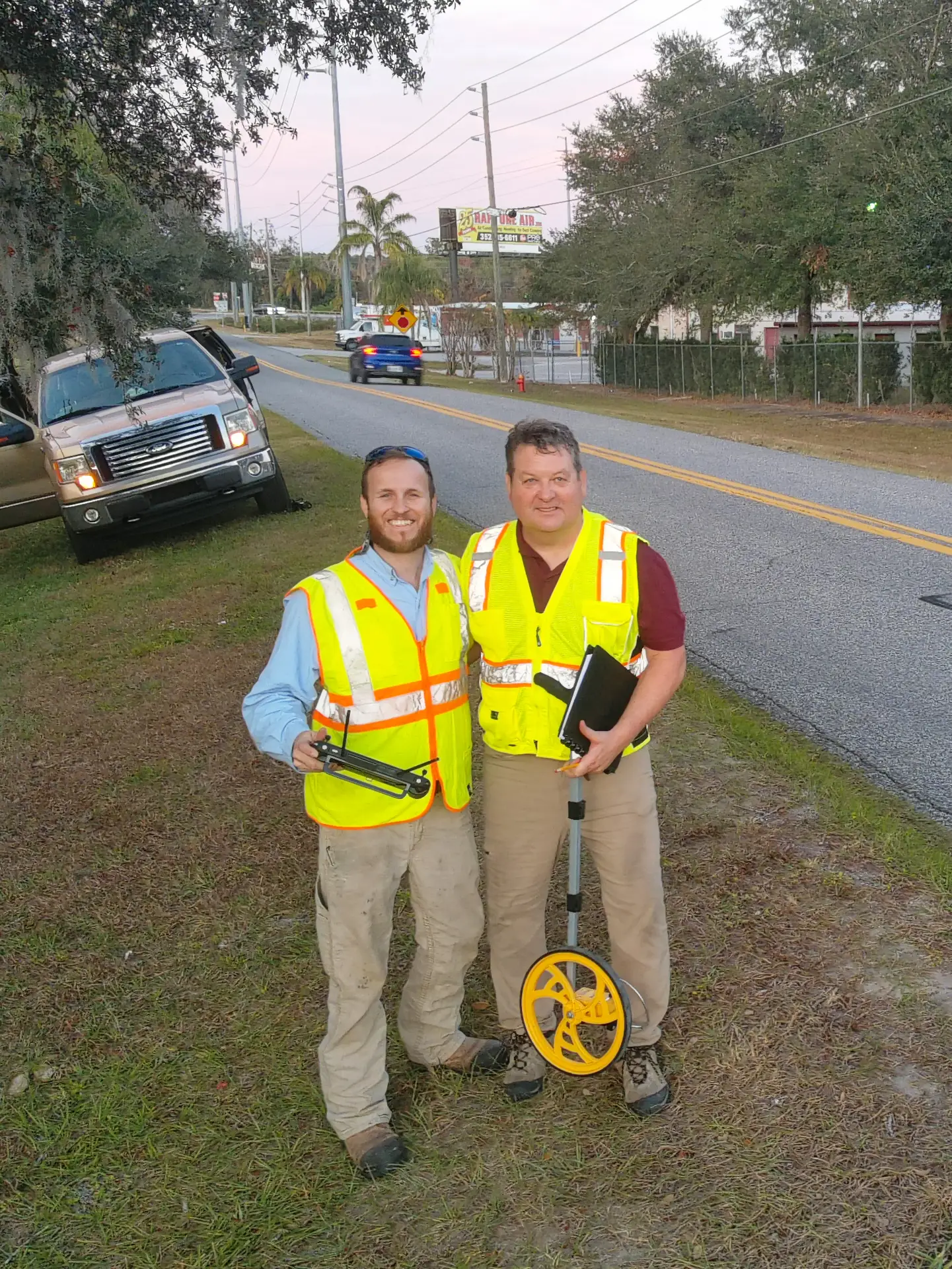
When industrial equipment or mechanical systems fail, clear engineering documentation is critical. Equipment and machinery failure analysis in Orlando, Florida, provides structured evaluations that identify failure modes, contributing factors, and equipment condition at the time of loss. Facilities, insurers, and legal teams rely on findings that are tied directly to operating conditions, component performance, and applicable standards. Forensic Engineering Experts conducts equipment and machinery investigations led by licensed Professional Engineers serving the Orlando market. John Thomazin, MSME, PE, DFE, and Shane W. Niemann, PE, perform site inspections, document failed components, review maintenance and operating records, and reference OSHA, ANSI, and ASME standards when applicable. Findings are supported with photographs, measurements, and written summaries suitable for claim documentation, with formal engineering reports and expert witness testimony available when required. Submit a claim to begin case intake and schedule an Orlando inspection.

Equipment and machinery failure analysis scope

Equipment and machinery failure analysis addresses why a specific machine, component, or assembly did not perform as intended under actual operating conditions. The focus is on the equipment itself. That includes the loads applied, the duty cycle, the maintenance history, and the environment in which it operated.

This service covers industrial equipment, rotating machinery, and mechanical assemblies where performance, safety, or reliability is questioned. The analysis identifies the failure mode, such as fatigue, overload, wear, corrosion, or misalignment, and determines contributing factors tied to design, installation, operation, or maintenance. This analysis does not assign legal fault. Rather, it provides an engineering opinion based on physical evidence, documentation, and, when relevant, applicable standards.

The outcome is a clear explanation of what failed, how it failed, and what conditions were present at the time of the incident.


Types of equipment we evaluate

This section outlines the types of equipment evaluated in Orlando when a failure involves performance concerns, safety issues, or a disputed cause. Each investigation documents the machine configuration, operating conditions, and failed components, then connects those findings to the most probable failure mode.
Manufacturing and production equipment
Production machinery failures often involve moving assemblies, guarding, drive components, or process loads. Typical focus areas include motors, shafts, couplings, gearboxes, bearings, and fasteners, along with evidence of wear, overheating, or abnormal vibration.
Conveyor and material handling system failures can involve rollers, bearings, drive chains, belt tracking, pulley assemblies, and structural interfaces. Documentation focuses on alignment, contact patterns, and equipment damage at transfer points that may indicate overload, misalignment, or progressive wear.
Rotating equipment failures may involve vibration, noise, loss of output, overheating, or sudden seizure. Inspection commonly includes bearings, seals, shafts, couplings, impellers, and housings, with damage patterns reviewed in relation to lubrication condition, alignment, and operating speed.
Power transmission failures may involve fractured shafts, stripped gears, bearing damage, worn couplings, or failed joints. The investigation documents fracture surfaces, deformation patterns, and contact wear to determine whether the failure resulted from fatigue, overload, or contributing installation and operating conditions.
Mechanical failures tied to hydraulic and pneumatic equipment can involve valves, actuators, cylinders, hoses, fittings, and mounting points. Documentation includes leakage paths, component condition, and mechanical damage consistent with pressure events, contamination, or misapplication.
Heavy equipment and lifting failures may involve load paths, joints, pins, fasteners, and wear surfaces. When relevant to the assignment, documentation includes configuration, attachments, and evidence of overload, impact, or progressive deterioration.
HVAC-related mechanical failures are evaluated when equipment functions as part of an industrial or commercial system, including fan assemblies, compressors, blowers, and drive components. The focus is on mechanical condition and operating context, not comfort performance.

Common machinery failure modes we evaluate

Each failure mode presents a distinct damage pattern, which serves as the starting point for identifying contributing factors such as load conditions, alignment, lubrication, environmental exposure, and maintenance history.

Fatigue cracking and cyclic loading

Fatigue cracking develops gradually under repeated loading. It typically begins at a stress concentration such as a thread root, keyway, sharp corner, or surface defect, then progresses until the final fracture occurs. Our investigation focuses on identifying the crack origin and examining fracture surface features that help distinguish fatigue from a sudden overload.

Overload and impact fracture

An overload fracture occurs when a component experiences a load that exceeds its capacity in a single event or short duration. Impact and sudden loading can leave deformations, shear features, or crushed interfaces. Our documentation focuses on distortion, secondary contact marks, and fracture characteristics consistent with high-load failure.

Wear patterns and lubrication breakdown

Wear damage develops gradually and may accelerate due to poor lubrication, contamination, misalignment, or improper assembly. Bearings, bushings, gears, and other sliding components often show scoring, surface pitting, metal transfer, or unusual contact patterns. The investigation focuses on examining wear surfaces and comparing those findings to the equipment’s operating history and maintenance plan.

Corrosion and corrosion-related cracking

Corrosion can directly weaken components and contribute to cracking in certain environments. We focus on corrosion deposits, pitting, section loss, and surface condition in certain areas tied to failure. When cracking is involved, evidence is reviewed for features consistent with corrosion-assisted mechanisms.

Misalignment and vibration damage

Misalignment and vibration can damage bearings, couplings, shafts, and mounting interfaces over time. Common indicators include abnormal contact patterns, fretting, loosened fasteners, and uneven wear. We focus on alignment-related evidence and on whether operating conditions or installation factors contributed.

Thermal damage and overheating

Thermal damage can affect material properties, clearances, lubrication performance, and component fit. Evidence may include heat discoloration, degraded seals, warped parts, and heat-affected contact surfaces. We examine the thermal indicators and their correlation with duty cycle, load, and cooling or ventilation conditions.

Fastener and joint failures

Fastener failures can involve fracture, thread damage, loosening, or joint separation. Contributing factors can include incorrect torque, vibration, joint design, or installation issues. We document fastener condition, thread engagement, interface wear, and any deformations that indicate joint movement or progressive loosening.

On-site inspection and documentation

An on-site inspection and documentation are important for establishing the baseline facts for a product failure analysis. Our objective is to record the equipment condition as found and capture the details needed to support a defensible engineering opinion.
What we photograph and measure
During the inspection, we take pictures of the overall equipment, key assemblies, and the failure location from multiple angles. We identify details such as nameplates, models, and serial numbers when available, and record configuration details that affect load paths and component fit. We take measurements and focus on interfaces, clearances, deformations, wear areas, and alignment indicators related to the potential failure mode.
Throughout our inspection, we examine the failed component and the surrounding parts that contributed to the failure. That includes fracture surfaces, crack initiation areas, wear surfaces, bearing and gear contact zones, fasteners, and joint interfaces. Observations may include deformation, secondary contact marks, heat discoloration, residue, and debris patterns that help distinguish fatigue, overload, wear, corrosion, or thermal damage.
During our inspection, we verify how the component was installed and how loads transfer through the assembly. We look at joint condition, thread engagement, coupling fit, bearing seating, mounting points, and evidence of movement at interfaces. When relevant to the assignment, our documentation includes alignment cues and vibration-related indicators, such as fretting, loose fasteners, and uneven contact patterns.

Investigation Process

The failure analysis process below explains how an assignment progresses from initial equipment identification to a documented conclusion. Each step ties on-site observations to physical evidence and available records, then presents the findings in a format suitable for claim files, disputes, and incident reviews

  1. Case intake and equipment identification
    Our process starts by collecting equipment details, the failure timeline, operating context, and available documentation, and then confirming which components and records are accessible for review.

  2. Site inspection and documentation
    Once we arrive on site, we inspect the equipment as found. Key assemblies are photographed and measured, and failure locations, configuration, and surrounding conditions that affect load, fit, and performance are documented.

  3. Failure mode determination and contributing factors
    Damage patterns and component condition are evaluated, then correlated with operating conditions, duty cycle, maintenance history, and observed assembly interfaces to determine the most likely failure mode and contributing factors.

  4. Standards review when applicable
    When the assignment involves safety, guarding, installation requirements, or documented operating criteria, applicable standards such as OSHA, ANSI, and ASME are referenced to support the analysis context.

  5. Findings and deliverable options
    Conclusions are summarized in a structured format, with options that may include a documentation package, a written engineering report upon request, and expert witness testimony support if the legal case proceeds.
Evidence handling and component custody

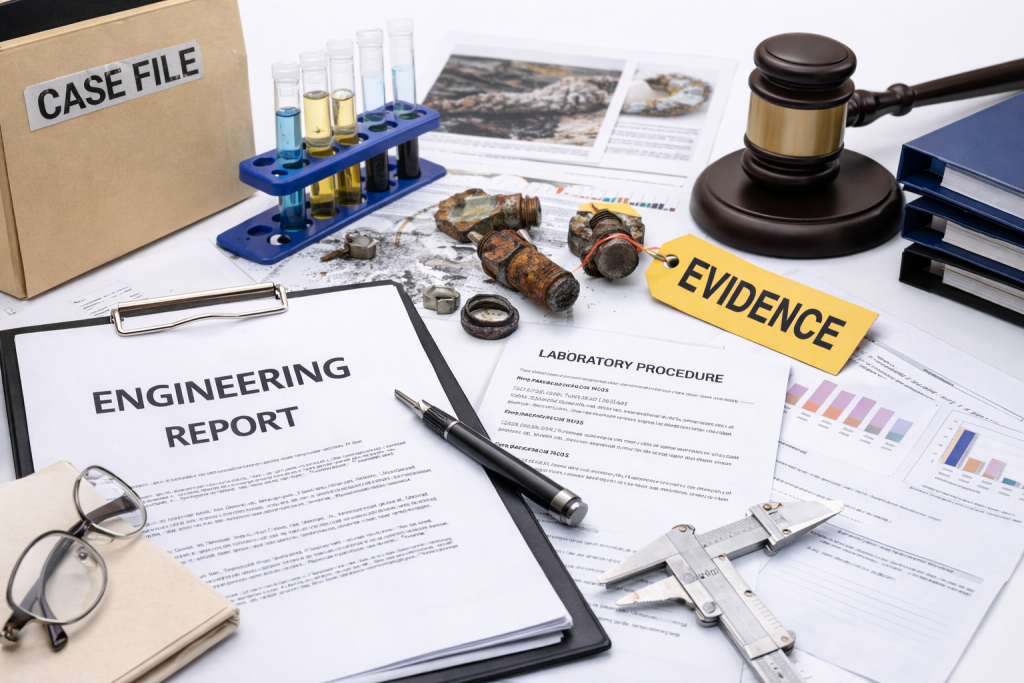
Equipment failures often involve components that may be repaired, replaced, or discarded shortly after the incident. Proper evidence handling preserves the physical condition needed for an accurate engineering evaluation and a defensible opinion.
Evidence preservation and parts handling
When access permits, we document the condition of failed components before removal. If parts are removed, we record identifying details, orientation, and their original configuration. We also note packaging and storage conditions, and retain key components when needed to preserve fracture surfaces or wear evidence.
We document findings with detailed photo logs and measurements tied to the specific component and its location in the equipment assembly. This supports failure analysis, claim files, internal reviews, and litigation when required.
Before failed equipment is repaired or scrapped, plan an early inspection to examine it in the as-found state. Getting started early allows for the evaluation of fracture surfaces, wear patterns, fastener condition, alignment indicators, and other evidence that may not be recoverable after disassembly or repair.

Deliverables

Each assignment results in documentation that ties physical evidence to a clear engineering conclusion. The level of formality depends on how the findings will be used.

Documentation package

A structured photo set, a measurement record, and a summary of observations are provided for the specific equipment and the failed components. This package links documented conditions to the identified failure mode and contributing factors.

Failure mode and contributing factors summary

A written summary explains how the component failed and what conditions influenced the outcome. The summary references the operating context, maintenance history when available, and applicable standards when relevant to the assignment.

Written report option

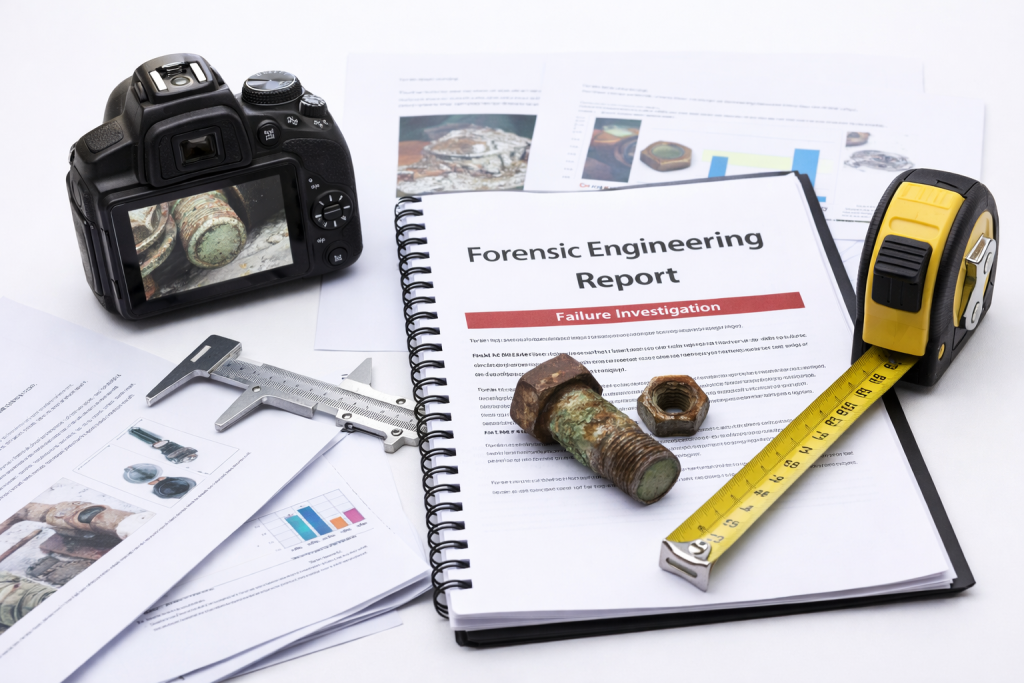
When a formal report is required, a structured engineering report is prepared for claim files, internal review, or litigation. The report includes a description of the equipment, inspection findings, analysis methodology, failure mode determination, and supporting documentation.

Testing coordination when required

Some assignments require materials or laboratory testing to evaluate material condition, fracture characteristics, or corrosion. When testing is necessary, we define the scope based on the case question, retain key components as needed, and review results with field documentation and operating records.

Deposition and testimony support when requested

If the legal case proceeds beyond internal review, we offer deposition and trial testimony support in Florida based on documented observations, analysis, and any written report prepared for the assignment.

Meet the Experts

John Thomazin

MSME, PE, DFE

Mechanical Engineer

  • Master of Science in Mechanical Engineering (MSME)

  • Licensed Professional Engineer (PE)

  • DFE designation

  • Conducts equipment failure inspections, evidence review, and engineering opinions for claim and litigation support when requested

Shane W. Niemann, PE

Mechanical Engineer

  • Licensed Professional Engineer (PE)

  • Field inspection and documentation for failed equipment and assemblies

  • Conducts mechanical systems evaluation and root cause analysis when performance or safety is questioned

  • Supports documentation and report preparation for Orlando equipment assignments

Why Choose Forensic Engineering Experts

The right engineering firm for equipment and machinery failure analysis demonstrates extensive technical knowledge of engineering principles and provides documented field inspections, defensible analysis, and credentials to support formal reporting when required.

Credentialed engineers assigned to machinery matters

All of our equipment and machinery investigations are led by licensed professional engineers. Credentials and designations are disclosed, and the responsible engineer conducts or oversees the inspection and analysis.

Documentation built for claim and dispute use

Photo documentation, measurements, and findings are structured for insurance claim files, internal reviews, and litigation workflows. Observations tie directly to the identified failure mode and contributing factors.

Standards referenced when they apply

When equipment configuration, guarding, installation, or operation involves applicable standards, OSHA, ANSI, and ASME may be referenced in the engineering context. Standards are applied based on the facts, not added automatically.

Clear transition from inspection to report support

The process moves from site inspection to documented findings in a defined sequence. When a written engineering report is requested, it reflects documented observations and analysis captured during the field evaluation.

FAQ

What information do you need before inspecting mechanical failures in Orlando?
Before we arrive for an on-site inspection, we need the equipment identification, a description of the failure site, the equipment’s current condition, and any available preventive maintenance strategies or operating records. Photos taken before disassembly are helpful. Starting the process right away allows us to conduct the inspection while the equipment is still in the as-found condition before repairs or disposal.
Yes. Individual components can be evaluated when they are tied to a defined equipment assembly and operating context. We review component condition, fracture characteristics, wear patterns, installation interfaces, and available documentation to determine the potential causes.
When access permits, we document components in their as-found condition and record identifying details before removal. We retain key failed parts and protect fracture surfaces and wear areas from further damage, helping preserve evidence for analysis.
A written engineering report is available upon request. The report includes equipment description, inspection findings, analysis methodology, failure mode determination, and supporting documentation suitable for claim files or litigation.
Yes. If an assignment proceeds to litigation, we offer deposition and expert witness testimony support in Florida using our documented inspections, analysis, and any written reports prepared for the matter.
Scheduling depends on site access, equipment condition, and assignment scope. After a claim is submitted, availability is confirmed, and inspections are scheduled with the retaining party.

Testimonials from Our Clients

Clients turn to us when they need clear, focused engineering work on difficult matters. The feedback below reflects the level of detail, professionalism, and communication they experience on their cases.