Engineering Solutions, Forensic Analysis & Investigations, and Expert Witness Services

Comprehensive Building Systems Investigations

Comprehensive Building Systems Investigations and Forensic Engineering Services

Building system failures involving HVAC, plumbing, moisture intrusion, and code compliance issues often lead to insurance claims and legal disputes in Orlando, Florida. A building systems investigation determines what failed, why it failed, and whether the system’s design, installation, or maintenance met applicable standards.

Forensic Engineering Experts provides building systems investigation services to attorneys, insurers, and property owners throughout Florida and nationwide. Our forensic engineers hold credentials from NAFE, ACTAR, and ASHRAE, and we evaluate building systems against applicable standards, including ASME, NFPA, IBC, and NEC. We assess HVAC, plumbing, electrical, fire protection, and building envelope systems across residential, commercial, and industrial properties. Clients receive defensible opinions, grounded in engineering principles, documented in clear language for attorneys, adjusters, and decision-makers. Our process begins with a review of case materials, followed by an on-site inspection and engineering analysis, and concludes with a written report and, when required, expert witness testimony. To get started, submit a claim and specify which building system or property is involved.

Building Systems Investigation Overview

A building systems investigation is the engineering examination of a structure’s mechanical, electrical, plumbing, and envelope systems to determine the cause of a failure or performance problem. Our work focuses on root cause determination, contributing factors, and documentation that supports next steps.

Physical condition alone rarely provides the full picture. The design and construction intent, installation quality, and operating history of each system influence how and why failures occur. This context is critical when findings are tested in coverage disputes, depositions, or repair decisions.

Common Areas We Investigate

  • HVAC system condition, ductwork performance, and failure modes tied to installation defects, wear, or operating limits

  • Plumbing and drainage systems, including leaks, backflow, drainage deficiencies, and material failures

  • Electrical and fire protection systems, paying attention to installation compliance and code conformance under NEC and NFPA

  • Building envelope conditions, including weatherproofing, moisture and water intrusion

  • Structural and MEP system integration, examining how building systems interact and where failures at system interfaces occur

  • Applicable building codes and industry standards, including ASHRAE, IBC, ASME, and the Florida Building Code

Building Systems Investigation Services

HVAC and Mechanical Systems Investigation

The cause of an HVAC failure is rarely obvious. Symptoms such as inadequate cooling, humidity issues, or equipment shutdowns can stem from construction defects, ductwork restrictions, refrigerant handling errors, or operating loads the system was never sized to handle. Our forensic engineers evaluate which factor drove the failure, whether the system met ASHRAE performance standards, and whether the system was installed correctly.

A plumbing problem that seems like a maintenance issue may sometimes have a different cause. Water heater failures, drain-waste-vent deficiencies, and supply line failures often stem from material defects, improper installation, or conditions outside the design intent. Identifying the cause is important when determining which of the parties involved is responsible for the damage.

Electrical and fire-protection failures pose unique compliance risks compared to other building-system issues. Grounding deficiencies, panel conditions, wiring installations, and fire sprinkler system performance must be reviewed against the NEC and NFPA requirements in effect at the time of installation, as well as the current code. That distinction is what makes the findings valuable in a coverage or liability dispute.
Water can enter buildings through roof systems, wall assemblies, window and door conditions, and failed waterproofing membranes, often through multiple paths at once. Our forensic engineering investigation identifies the source, pathway, and cause of entry, then establishes whether the condition resulted from a design error, an installation defect, or a weather event. Where mold risk or indoor air quality degradation has followed, it is documented as a consequence of the water intrusion, not as a separate matter.
Building movement affects HVAC ductwork, plumbing connections, and fire suppression piping in ways that are easy to misread as system-specific failures. When structural changes or settlement patterns have compromised system performance, connecting the evidence across disciplines yields a complete account of what happened and avoids a root-cause determination that stops at the symptom.
The relevant question in most compliance matters is which standards were in effect at the time of construction or installation, not which apply today. Our review identifies which codes and standards governed the work, where the installation strayed from those requirements, and how those gaps relate to the failure or incident under review.
Attorneys and adjusters rely on findings they can act on right away, not technical summaries they have to interpret. Our analysis connects physical evidence to system design, installation conditions, and operating history, producing a cause-of-loss determination that supports coverage decisions, demand responses, or case strategy.
Disputes over HVAC output, energy billing, tenant comfort, and equipment service life require a different kind of analysis than a standard failure investigation. The real question is whether the system operated within its intended parameters, following manufacturer specifications, ASHRAE energy standards, and the performance levels defined in the design.

Industries We Support

Building failures occur in structures across various industries, with the specific issues depending on the property’s usage, construction techniques, and loading conditions.

Commercial Real Estate and Property Management

Usually, the problems faced by commercial properties are related to age and disclosure. Office buildings and retail centers in Central Florida’s I-4 corridor carry HVAC systems and plumbing infrastructure that were sized for original occupancy loads and have been modified, extended, and maintained inconsistently over time. When a system fails, the question of whether the current owner, the original contractor, or a subsequent tenant improvement is responsible for the issue requires tracing the system’s history, not just examining its present condition.

Hospitality and Tourism Facilities

Orlando’s hotel and resort properties operate mechanical systems under heavier loads than almost any other building class, with high occupancy levels, continuous operation, and water-feature and commercial-kitchen demands that residential-grade equipment cannot sustain. HVAC failures in these properties frequently involve capacity decisions made during the design process, not maintenance failures during operation. Plumbing failures in high-rise hotels involve issues with supply pressure, fixture connections, and drain system capacity during peak loads. These are forensic questions, not service calls.

Multifamily and Residential Construction

The rapid growth of multifamily construction in Florida over the past decade has led to a predictable wave of building-envelope and plumbing defect claims in properties that are now three to eight years old. Moisture intrusion in these buildings often traces to envelope shortcuts and window-flashing details, stucco installation, and waterproofing decisions that may have passed inspection but failed in service. Our forensic structural investigation establishes the cause of the defect and distinguishes between installation error and design deficiency, which, in turn, drives both the legal theory and the scope of repair.

Industrial and Manufacturing Facilities

Mechanical and process systems in warehouses and manufacturing facilities interact with structural systems in ways that commercial properties do not. Ventilation adequacy, heat load management, fire suppression coverage for storage configurations, and electrical capacity for production equipment all create failure conditions tied to how the building was used, not just how it was built. The analysis considers ASME and NFPA requirements within the actual operating conditions at the time of the failure or incident.

Healthcare and Institutional Buildings

HVAC and plumbing failures in medical facilities and institutional buildings lead to consequences that go beyond property damage. Ventilation deficiencies affect infection control. Plumbing system failures in clinical spaces raise contamination concerns. Fire protection deficiencies in these occupancies have code upgrade obligations that commercial properties do not. Forensic engineering services in this sector require more than just an understanding of what failed; they also require an understanding of the regulatory and patient-safety framework the system was required to meet.

Our Building Systems Investigation Process

Our phased approach supports efficient case management and keeps scope adjustments traceable as new information appears. We share key findings with clients at each step so that decisions about direction and next steps are always informed by current evidence.

Phase 1 - Initial Review

We review the case materials to understand the background, the systems involved, and the scope of the request, and to gain access to available documentation. This step confirms whether our credentials and extensive experience are the right fit and establishes what additional materials will be needed before the inspection.
We conduct an on-site inspection of the building system or systems under review. During our inspection, we document physical conditions, collect measurements, and preserve observations relevant to the failure or performance issue. We record findings to support the engineering analysis that follows.
We apply engineering principles to the inspection findings, case documentation, and applicable codes and standards to determine root cause and contributing factors. This analysis connects the physical evidence to system design, installation conditions, and operating history.
A written report is provided upon the client’s request. The report documents the investigation methodology, findings, analysis, and conclusions in language accessible to counsel, adjusters, and non-engineers.
Our forensic engineering services include expert testimony for depositions, mediations, arbitrations, and trials nationwide. We provide objective opinions stated in clear, well-supported terms that can be defended under cross-examination.

Meet the Experts

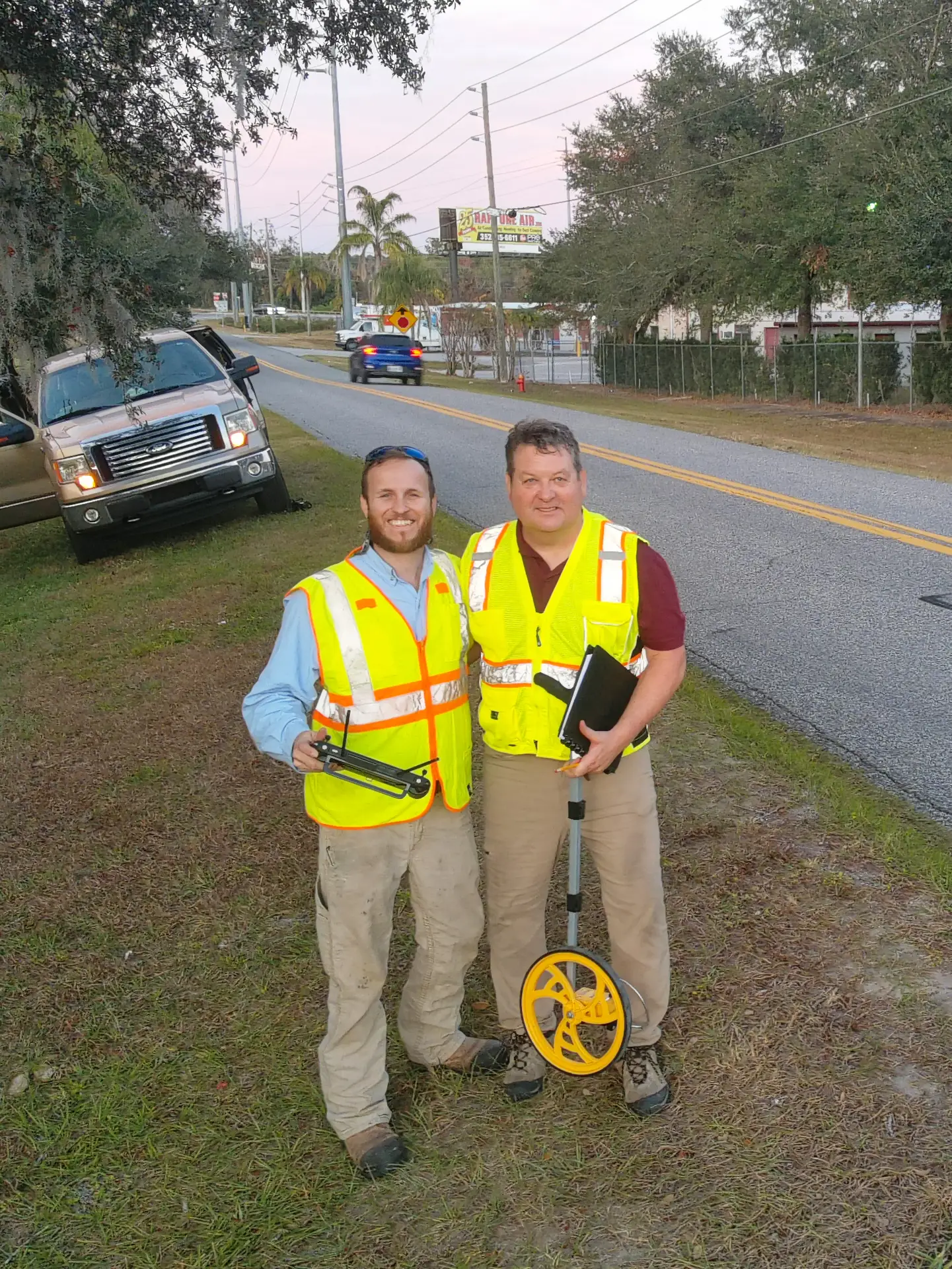
John Thomazin, MSME, PE, DFE, ACTAR

Forensic Mechanical Engineer

John Thomazin holds a Master of Science in Mechanical Engineering and is a licensed Professional Engineer with designations as a Diplomate of Forensic Engineering (DFE) and Accredited Traffic Accident Reconstructionist (ACTAR). His work spans multiple specialties, including mechanical failure analysis, building systems investigations, and forensic engineering expert witness testimony for insurance carriers, law firms, and property owners across Florida and nationwide. His engineering background includes structural analysis, equipment evaluation, and standards review against ASHRAE, ASME, NFPA, and OSHA requirements.

Shane W. Niemann

Forensic Mechanical Engineer

Shane W. Niemann is a licensed Professional Engineer with experience in evaluating mechanical systems and conducting forensic engineering investigations. He supports building systems matters involving HVAC, plumbing, and mechanical systems, contributing to inspections, analysis, and written findings across residential, commercial, and industrial properties.

Why Choose Us

When a building system failure results in a claim or dispute, the engineering work must produce findings that go beyond a basic report. The conclusions must withstand scrutiny in negotiations, depositions, and court.

Full MEP and building envelope investigation

HVAC, plumbing, electrical, fire protection, and building envelope systems are investigated in-house. Our scope covers the failure types that drive most building-related claims.
We have experience on both sides of disputes, which allows us to produce opinions that are harder to attack. Clients get a realistic picture of the technical evidence before it reaches deposition.
We use advanced technologies like infrared thermography, drone inspection, LiDAR, and photogrammetry to produce documentation that supports the analysis rather than relying solely on visual observation.

Testimonials from Our Clients

Clients turn to us when they need clear, focused engineering work on difficult matters. The feedback below reflects the level of detail, professionalism, and communication they experience on their cases.