
Accident Reconstruction Orlando, FL
Accident Reconstruction & Product Defect Investigations in Orlando, FL
Serious crashes and equipment failures in Orlando and Central Florida can quickly be disputed. Often, vehicles are repaired, scenes change, and damaged products are thrown away before the cause is fully understood. When liability is questioned, missing or altered evidence can make it hard to determine what actually happened.
Forensic Engineering Experts provides accident reconstruction services and product defect investigations based on engineering analysis and documented evidence. We investigate incidents to determine whether they were caused by a design or manufacturing defect, or by inadequate warnings or instructions. Our work supports attorneys, insurers, and risk teams that need clear technical reports and documentation.
We offer defined scopes, measured documentation, and written opinions that can be used in claims evaluation, mediation, or trial. If you are looking for an accident reconstruction expert or need support for a product liability investigation, contact our Orlando, FL office or submit a claim to begin the process towards actionable answers.
What Our Service Covers
Accident reconstruction matters we handle
We analyze incidents to determine what occurred, identify contributing factors, and map out the sequence of events before, during, and after the incident. We handle cases involving passenger and commercial vehicle crashes, industrial and construction incidents, and equipment or machinery-related events.
Product defect and product liability matters we handle
When reconstruction and defect analysis overlap
Common Case Types We Investigate
Passenger vehicle and commercial vehicle crashes
We investigate passenger vehicle collisions and commercial vehicle crashes to determine how roadway conditions, vehicle behavior, operator actions, and mechanical factors contributed to the incident. This includes crashes involving work vehicles, construction equipment, and agricultural machinery operating on or near roadways, where visibility, speed, stopping distance, and vehicle condition contribute to the crash.
Motorcycle, bicycle, and pedestrian events
Industrial, construction, and heavy equipment incidents
We analyze incidents involving industrial machinery, construction sites, and heavy equipment to identify operational, mechanical, and safety-related factors. These matters may involve machine guarding, safety systems, equipment configuration, and review against applicable safety standards. Investigations often focus on how the equipment was being used at the time of the incident and whether design, maintenance, or site conditions contributed to the outcome.
Consumer products, tools, appliances, and recreational equipment
Evidence We Review and What We Ask You to Preserve
Scene and vehicle evidence
When a crash or incident occurs, we focus on physical evidence to help reconstruct the sequence of events. This may include scene photos and measurements, roadway or site conditions, vehicle damage patterns, and documentation created in close proximity to the event. The goal is to connect what was witnessed at the scene to an engineering explanation of how it happened. Depending on the case, we may use LiDAR (light detection and ranging) scene documentation, photogrammetry mapping, CAD review, and simulations to support accident reconstruction expert analysis.
Product and component evidence
Important records (manuals, maintenance, warnings, purchase)
Preservation and chain of custody basics
Meet the Experts
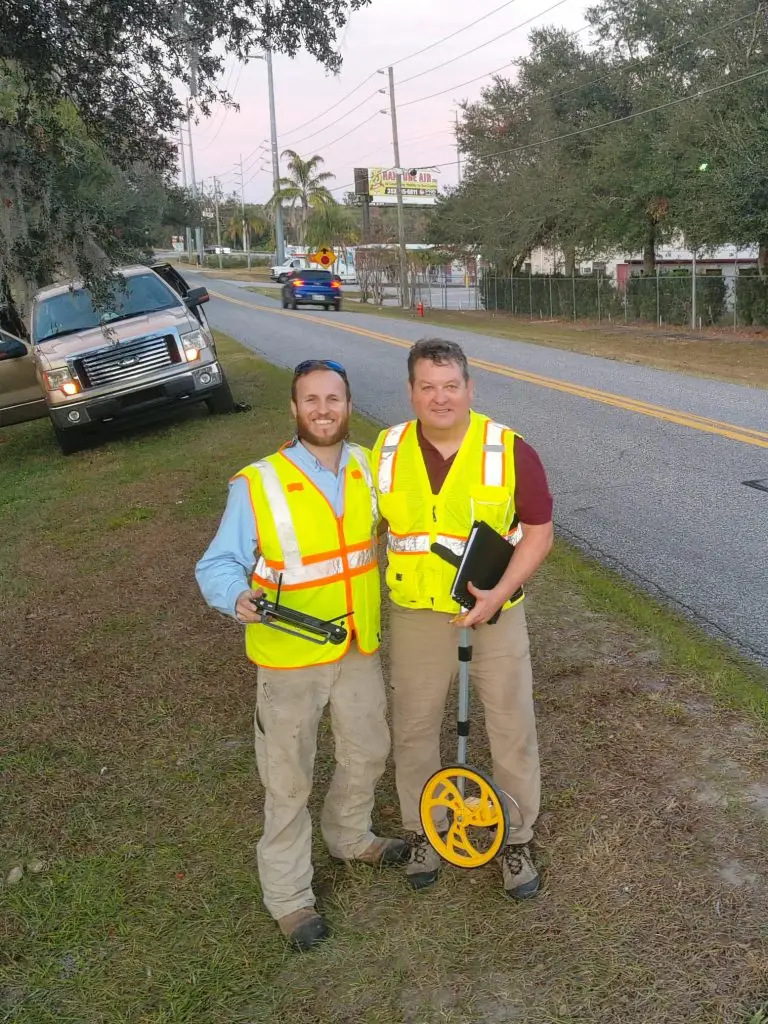
John Thomazin
MSME, PE, DFE
Mechanical Engineer
Shane W. Niemann
PE
Mechanical Engineer
Methods and Tools Used in Our Investigations
LiDAR and 3D scene documentation
Photogrammetry and measured mapping
CAD, simulations, and analysis calculations
Data sources that can support timelines
Our Investigation Process
Intake and scope definition
Site inspection and evidence documentation
Analysis and findings
Report, exhibits, and expert witness support
What You Receive
Written findings and opinions
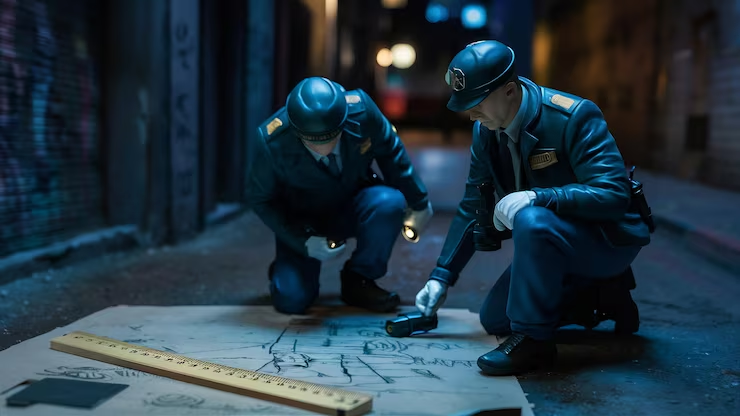
When a written report is requested, you receive a clear explanation of what was reviewed, what was observed during inspections, what engineering analysis was performed, and how those findings support our conclusions.
Exhibits for mediation, deposition, or trial
Ongoing technical support for counsel and claims
Why Choose Forensic Engineering Experts
Orlando-based response with U.S. coverage
While our office is based in Orlando, we also accept assignments nationwide and travel as needed for inspections, meetings, and testimony.
Licensed engineering approach and relevant credentials
Investigations are performed by licensed professional engineers with experience in accident reconstruction and product-related failures. We rely on solid engineering principles and accepted standards, which are important when our findings are being reviewed by opposing experts, adjusters, judges, or juries.
Tools for measured documentation
Communication geared towards non-engineers
FAQs
How quickly should I get an accident reconstruction inspection?
What should we preserve in a suspected product defect case?
Do you work for plaintiffs or defendants?
Can you provide expert witness testimony?
What information do you need to get started?
Do you handle commercial vehicle and fleet crashes?
Testimonials from Our Clients
Clients turn to us when they need clear, focused engineering work on difficult matters. The feedback below reflects the level of detail, professionalism, and communication they experience on their cases.
Rhonda Roberts
John did an excellent job for us on our case. We were able to make a very advantageous settlement because of his efforts. He was very knowledgeable and professional. In addition to being an excellent engineer, he made a very good witness. We would use John again should the occasion arise and would recommend him to others.
Tim Wieker
I was very impressed with the report we were given. The facts of the loss were not that easy to find good literature, and he gave a very detailed report with good explanation and charts to back things up.
J. Tolman
The expertise and thoroughness of the report was extraordinary.
Michelle B.
Thank you so much for your professional efforts and extraordinary report.
Matias C.
Thanks for all of your work and the detailed analysis you provided.